
About us
Understand the Concern, the Work, and the Next Step
Seattle Foundation Repair helps homeowners address foundation, basement, and crawl space concerns through clear evaluations, understandable proposals, and coordinated communication. That promise is deliberately modest, and it is the whole business.
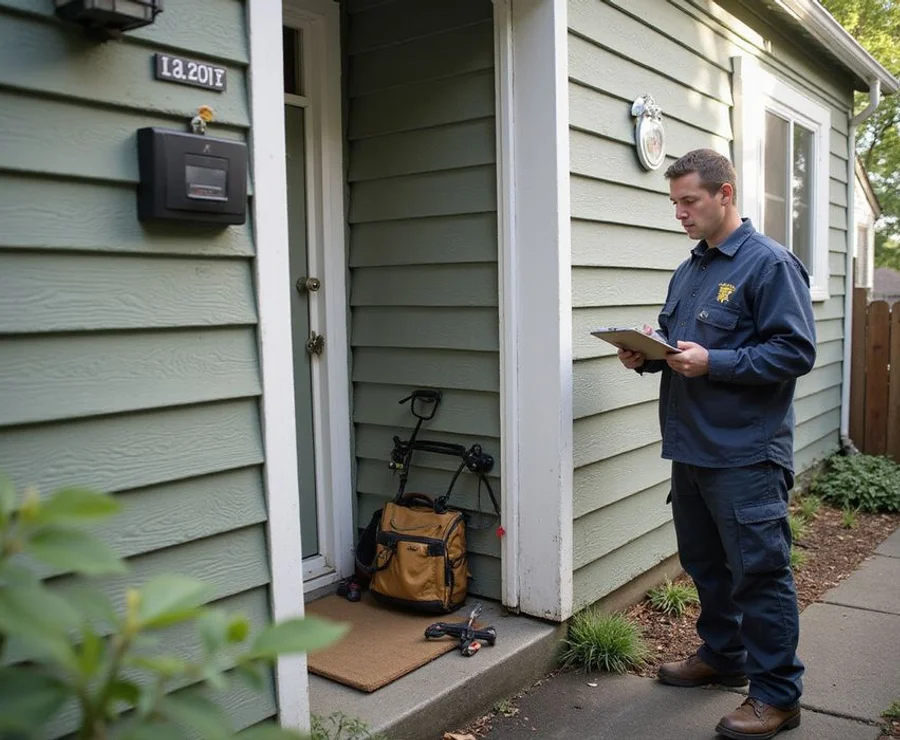
Free Preliminary Project Review
Tell us what you're noticing before you commit to anything.
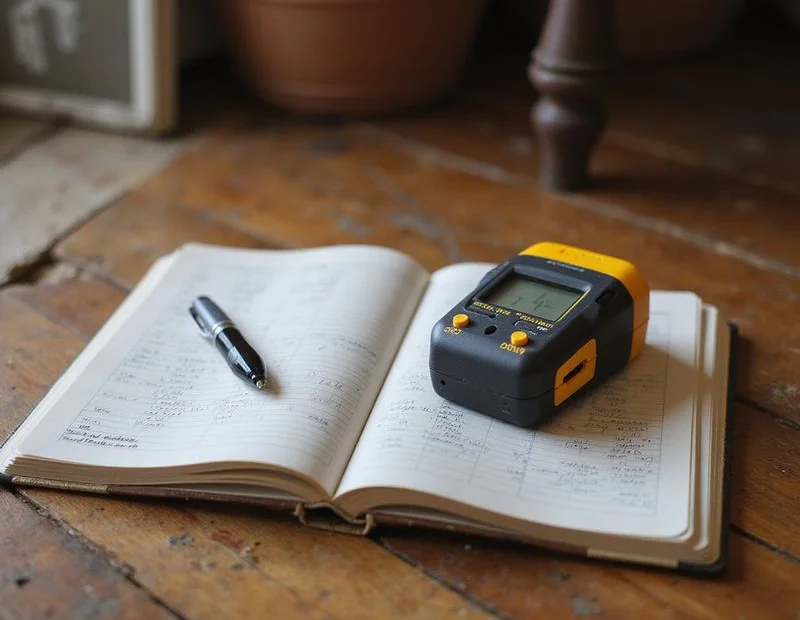
Laser Manometer Elevation Survey
Multi-point measurements record exact floor differentials.
Written Scope With Exclusions
Quantities, depths, and permit notes stated in writing.
Registered Washington Contractor
Registration and bond are verifiable through L&I Verify.
What we actually do
We evaluate and repair residential foundations across Seattle and the Puget Sound region. That covers settlement and underpinning, seismic retrofit connections, crawl space framing, basement wall reinforcement, waterproofing, drainage and sump systems, concrete leveling, and retaining wall work within the applicable design requirements.
Most projects start the same way. Someone notices a crack that was not there last year, a floor that has gone out of level, or water arriving every winter, and they cannot tell whether it matters. The evaluation exists to answer that question honestly, including when the answer is that nothing structural is happening.
How we decide what to recommend
Foundation repair has a specific failure mode as an industry: the method gets chosen before the problem is understood. A company that installs one system will find reasons to install that system. We try to work the other way around.
A multi-point laser manometer survey records floor differentials across the plan, in numbers. Crack patterns are read for location and progression rather than width alone. Crawl space framing is audited for span, post-base condition, and moisture damage. Only after that do we discuss whether the right answer is push piers, helical piers, pin piles, carbon fiber, wall anchors, bracing, drainage, or nothing at all.
What we will not do
We do not diagnose from photographs. We do not assign severity using a universal crack-width rule. We do not treat a sticking door as proof of foundation failure, because seasonal humidity and ordinary framing movement produce the same symptom.
We do not claim to be Seattle's largest, oldest, or best, because those claims are unverifiable and they tell you nothing. We do not promise a house will survive a specific earthquake, and we do not describe any basement as guaranteed dry forever.
Where a question belongs with a structural or geotechnical engineer, we refer it rather than working around it. Slope stability, unreinforced masonry, and some retaining wall failures fall in that category regularly.
Ground conditions we work in
Puget Sound properties involve glacial deposits, uncontrolled fill, variable groundwater, slopes, and a century of differing foundation construction. Vashon till, Esperance sand, Lawton clay, and outwash are useful terms when they apply to the mapped area, but no single sequence lies beneath all of Seattle and clay is not uniformly impermeable or weak.
Conditions vary across sites and with depth, which is why the same symptom in two houses a block apart can have different causes and different repairs. It is also why we prefer measurement to pattern-matching.
Registration and documentation
Washington requires contractor registration, a bond, and a registration number in advertising. Registration is not an engineering license and it is not a guarantee of workmanship, but it is verifiable, and you should verify it for any contractor you consider , including us, using the Washington L&I Verify tool.
For project documentation we record the general location, building type, observed concern, assessment, agreed scope, access constraints, work performed, and the documented result. Technical findings and measurements are attributed to the people responsible for them.
Coverage
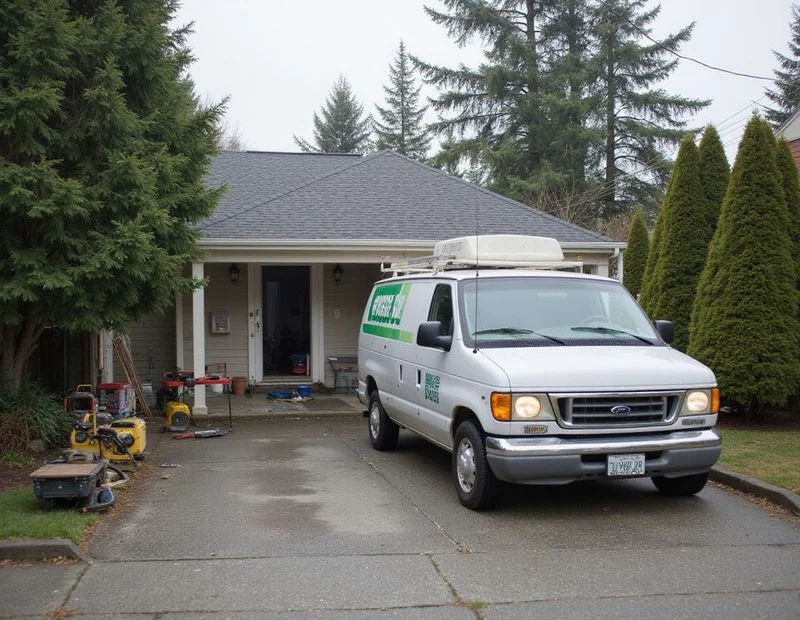
Seattle neighbourhoods plus the North Sound, Eastside, and South Sound, 24 communities across King, Snohomish, and Pierce counties.
See all service areasHow we operate
The Principles We Work By
These are not slogans. Each one changes what appears in a proposal or what we are willing to promise.
Diagnose before recommending
We record accessible observations and take elevation measurements before naming a method. A method chosen before the diagnosis is a product being sold, not a repair being designed.
Separate structural from cosmetic
Crack sealing and structural reinforcement solve different problems. Every proposal we write keeps them apart so you can see what you are paying for in each line.
State the exclusions
What a quote does not cover matters as much as what it does. Finishes, landscaping, plumbing changes, and restoration limits appear in writing before you sign anything.
Stay inside our scope
A pier supports a designed load; it does not stabilise a moving slope. Unreinforced masonry needs more than mudsill bolting. When a question belongs to an engineer, we say so.
Use primary sources
Local geology comes from the Washington Geological Survey and DNR. Permitting comes from the reviewing jurisdiction. Registration rules come from Washington L&I. Not from other contractors’ marketing pages.
No fear, no fake scarcity
Nobody makes a good structural decision under pressure. We do not use disaster language, invented deadlines, or promises that a house will survive a specific earthquake.
Who writes this
Meet Our Editorial Voice
We are explicit about authorship because it affects how you should read what we publish.
Dane Calloway
Foundation Repair Content Editor
Dane Calloway is an editorial pen name used by Seattle Foundation Repair to publish calm, technically careful guidance for Puget Sound homeowners. Technical reviewers and project contributors are credited separately; observations and measurements are attributed to the people responsible.
Next step
Want a second opinion you can actually check?
Send what you're noticing. We'll explain what an evaluation would examine, what it cannot establish, and what a reasonable next step looks like.
Free preliminary project review. Any charge for an on-site evaluation is explained before booking.