
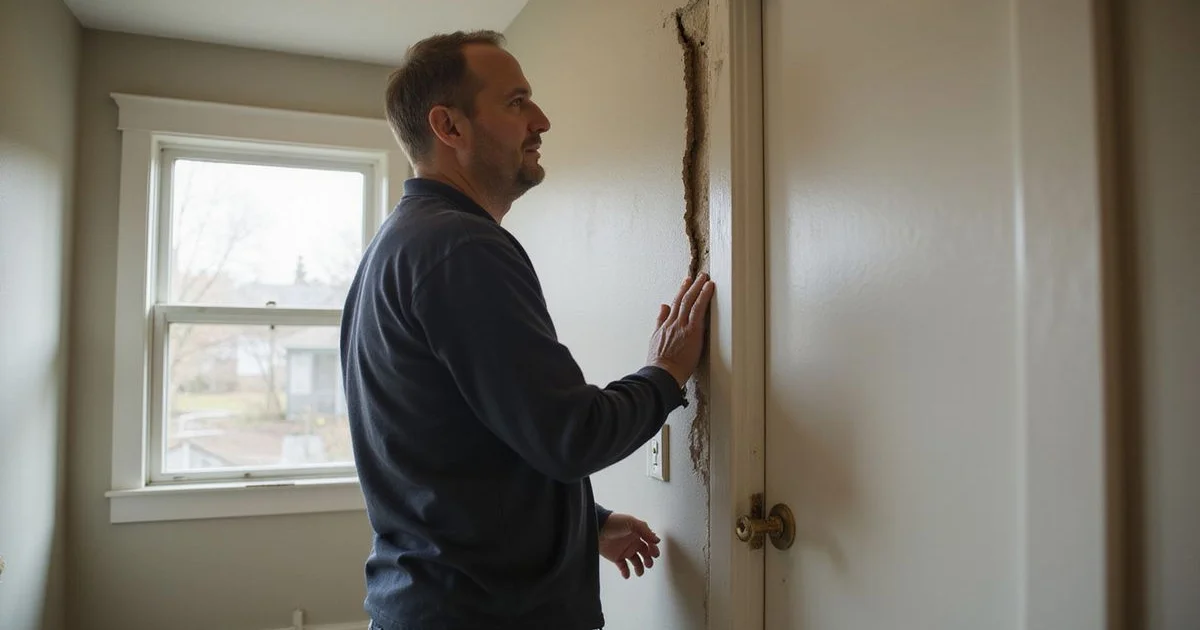
The Observations That Bring People Here
Almost nobody calls a foundation company because they read something. They call because something in the house changed, and they cannot tell whether it matters.
That uncertainty is the real problem. A crack might be nothing, or it might be the visible end of movement that has been going on for years. Most homeowners have no way to tell, and the industry is not always helpful, some of it profits from treating every symptom as urgent.
This guide is the index. It lists what people actually report, explains what each observation can indicate, and points to where the detail lives. It does not diagnose your house, because nothing read on a screen can. If you want that answered properly, Seattle Foundation Repair starts with an on-site evaluation and measurements. Once you have several quotes in hand, our guide on comparing foundation repair quotes covers how to read them against each other.
Cracks
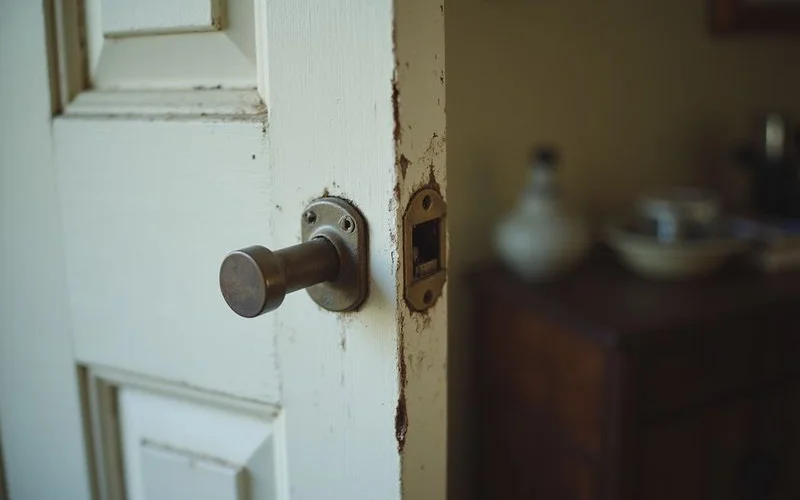
Cracks are the most reported symptom and the most over-interpreted.
Diagonal cracks running from the upper corners of windows and doors are worth attention. Openings concentrate stress, so movement in the structure shows up there first. Several of these in a consistent orientation suggest differential movement.
Horizontal cracks in a basement wall, particularly in the middle third of the wall height, suggest lateral load pushing inward rather than settlement.
Stair-step cracks through the mortar joints of block work follow the weakest path through the assembly and typically indicate differential movement.
Vertical cracks in poured concrete are frequently shrinkage-related and are the most common harmless category.
What does not work is judging severity by width. There is no universal crack-width rule that reliably separates serious from cosmetic, and any source offering you one is oversimplifying. Pattern, location, and whether the crack is still moving are what matter.
Floors and Doors
Sloping or uneven floors. Real, measurable slope is meaningful. The feeling that a floor is “off” is not, because people are poor judges of this. An elevation survey settles it in an hour.
Bouncy or springy floors. In older Seattle homes this usually points to the crawl space, settled post bases, an overspanned girder, or moisture-damaged joists, rather than the perimeter foundation.
Doors and windows that bind. Useful information, with a caveat. Seasonal humidity swells wood and causes binding that resolves in drier months. What is more telling is a door frame that has gone out of square, so the gap is wider at one side of the top than the other, and binding that has worsened progressively over years rather than seasonally.
Water
Water entering a basement, particularly along the joint where the floor slab meets the wall, and particularly in winter. Puget Sound rain is sustained rather than intense, which raises water tables and generates hydrostatic pressure for months at a time.
A damp or wet crawl space. Standing water is a drainage problem. Persistent dampness without standing water may be ground vapour. Summer-peaking dampness may be condensation. Three different pathways, three different fixes.
Efflorescence, white powdery deposits on concrete, indicates water has been moving through the material, which is information about the pathway even where you never see liquid water.
Outside the House
Retaining walls leaning, bulging, or cracking. Usually drainage behind the wall or an added surcharge load.
Settled flatwork, a step at a walkway joint, a driveway panel that has dropped, a patio that now pools water. Generally a soil problem beneath the slab rather than a structural one.
Separation at an addition. Where an addition meets the original structure, the two were built at different times on different footings and may behave differently.
What to Record Before Calling Anyone
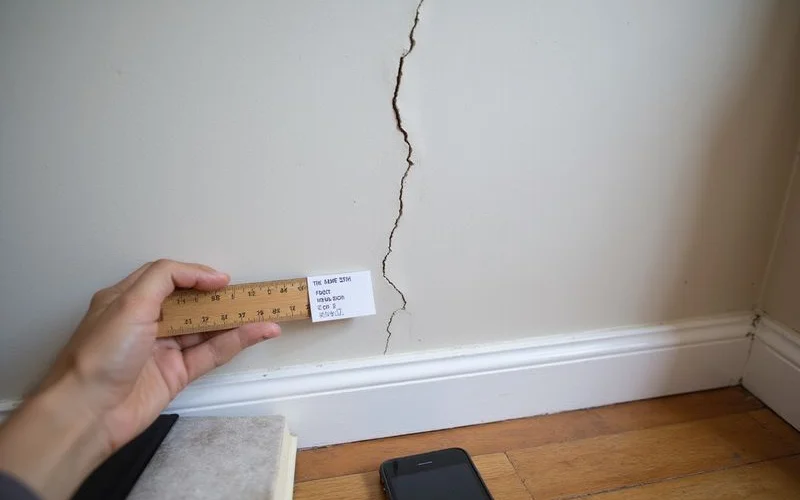
The most valuable thing you can do costs nothing
Photograph each crack with a ruler or coin beside it, and note the date. Write down which doors bind and in which direction. Note where water appears, on which elevation, and after how much rain. Repeat in a few months.
Dated observations turn “there’s a crack” into “this crack was this wide in March.” One is a description, the other is evidence, and it changes what any evaluation can conclude.
Where Each Symptom Points
| What you noticed | Most likely area to investigate |
|---|---|
| Diagonal cracks at openings, floors sloping toward one corner | Foundation repair and underpinning |
| Bouncy floors, sloping toward the middle of the house | Crawl space repair |
| Horizontal cracks or a bowing basement wall | Basement wall repair |
| Water in the basement each wet season | Basement waterproofing |
| Damp or wet crawl space | Crawl space moisture control |
| Pooling water, downspouts discharging at the wall | Foundation drainage |
| Settled walkway, driveway, or patio | Concrete leveling |
| Leaning or bulging retaining wall | Retaining wall repair |
| Older home, unbolted sill, unbraced cripple walls | Seismic retrofit |
| Unsure which of the above applies | Foundation evaluation |
When It Is Genuinely Urgent
Almost nothing on this list is an emergency. Foundation movement is slow, and a crack that appeared last month will still be there next month.
The exceptions are real though. If a structure is actively moving, visible movement, sounds of movement, doors or windows suddenly unable to open, or if a slope is visibly failing, that is an emergency rather than a quote request. Move away from the affected area and contact emergency services. A quote form is not an emergency response service.
Short of that, the sensible sequence is: record what you see with dates, read the guide that matches your symptom, and get measurements taken if the pattern warrants it. The measurements are what convert uncertainty into a decision you can actually make.