
Foundation Repair in Seattle, WA
Calm, clear guidance and engineered remedies for Puget Sound homeowners.
Cracks, uneven floors, basement water, or crawl space concerns? Tell Seattle Foundation Repair what you're noticing and request a quote for the next step. We diagnose the load-bearing cause before recommending permitted structural repair.
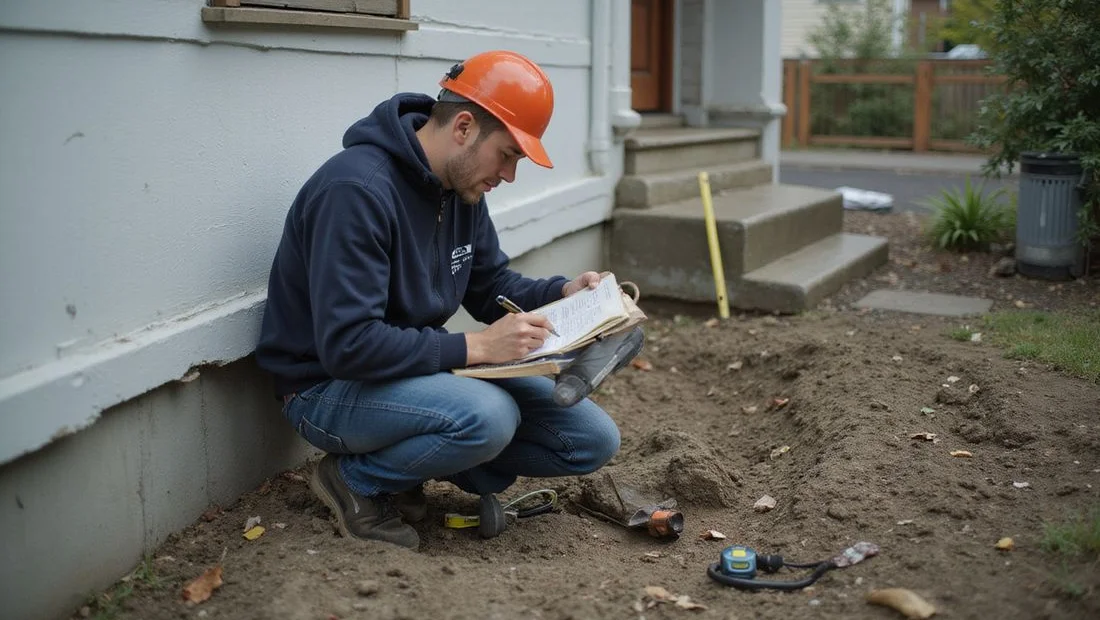
What we evaluate and repair
Foundation settlement, stair-step cracking, crawl space posts and girders, seismic retrofit anchorage, basement wall movement, and perimeter drainage.
Where we work
Seattle neighbourhoods plus Shoreline, Edmonds, Bellevue, Kirkland, Renton, and the wider Puget Sound region.
- Multi-point laser manometer elevation survey recording exact floor differentials
- Itemised written scope detailing quantities, depths, permit notes, and exclusions
- A clear line between cosmetic flaws and load-bearing movement, with no sales pressure
Thanks, your request has been received.
We'll review your information and contact you to discuss your property and next steps.
Free preliminary project review
Request a Foundation Repair Quote
Tell us about your property and what you're noticing. We'll contact you to discuss the project and the next step toward a quote.
Free Preliminary Project Review
Tell us what you're noticing before you commit to anything.
Laser Manometer Elevation Survey
Multi-point measurements record exact floor differentials.
Written Scope With Exclusions
Quantities, depths, and permit notes stated in writing.
Registered Washington Contractor
Registration and bond are verifiable through L&I Verify.
Common concerns
Foundation Warning Signs Seattle Homeowners Notice First
Most people call us because something has changed and they cannot tell how serious it is. That is a reasonable place to start. Here is what we hear most often from Seattle homeowners.
Cracks you cannot read
A diagonal line above a door frame or a stair-step crack in block work means something. Width alone does not tell you what. We measure the pattern and the movement before calling it anything.
Floors that have gone out of level
Sloping floors, doors that bind in one season, a gap opening where a wall meets the ceiling. These often trace to crawl space framing rather than the perimeter foundation, and the fix differs completely.
Water arriving every wet season
Puget Sound rain is sustained rather than dramatic, which is why basements leak in January and stay dry in July. Whether you need drainage or waterproofing depends on how the water is getting in.
Quotes you cannot compare
Two proposals, two numbers, no shared language. We itemise quantities, depths, and exclusions so you can see what each line is actually paying for and where the two differ.
We work through all four the same way: proper diagnosis first, then an honest recommendation with the exclusions stated.
Read the foundation warning signs guideNot sure which factors apply to your project?
Answer a few questions about your property and see the cost factors a written quote would itemize, before you talk to anyone.
Our services
Match Your Concern to the Right Repair
Each of these solves a specific problem. Sending an underpinning crew to a bowing wall, or a waterproofing crew to a drainage problem, wastes your money and leaves the cause in place.
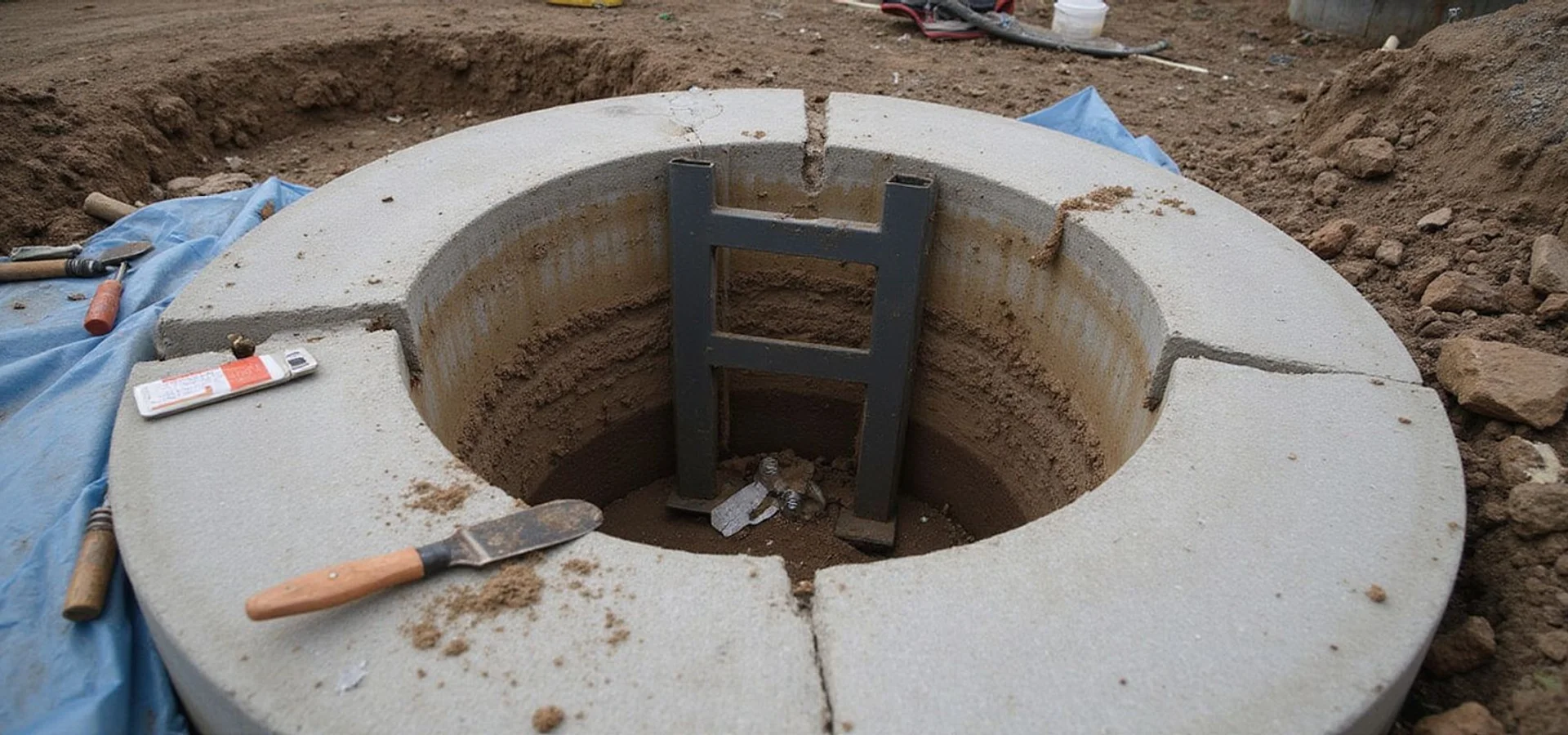
Foundation Repair
Support and stabilization for settling foundations, matched to assessed conditions and approved scope.
Read more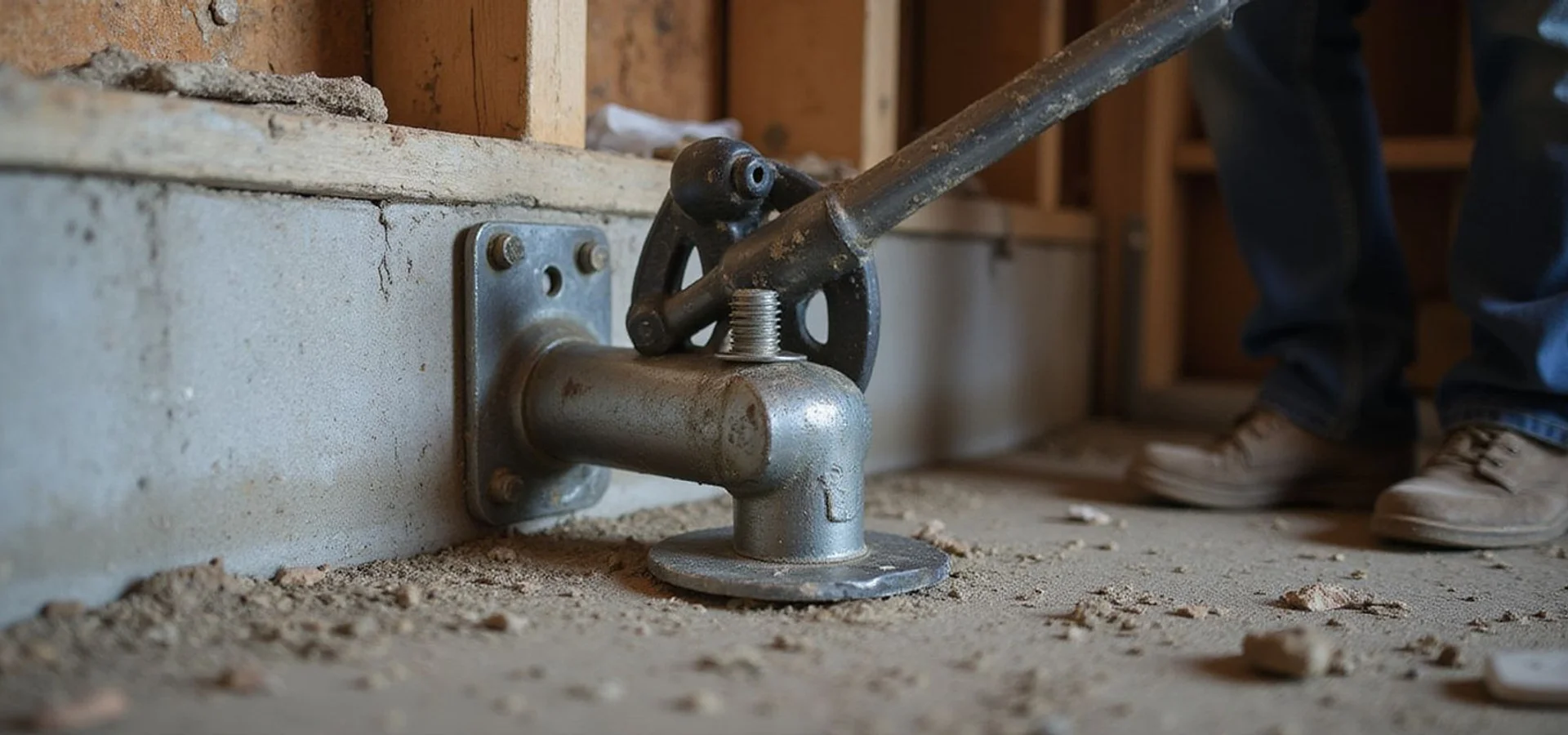
Seismic Retrofit
Foundation anchorage, sill connections, and cripple wall bracing that strengthen a home's load path.
Read more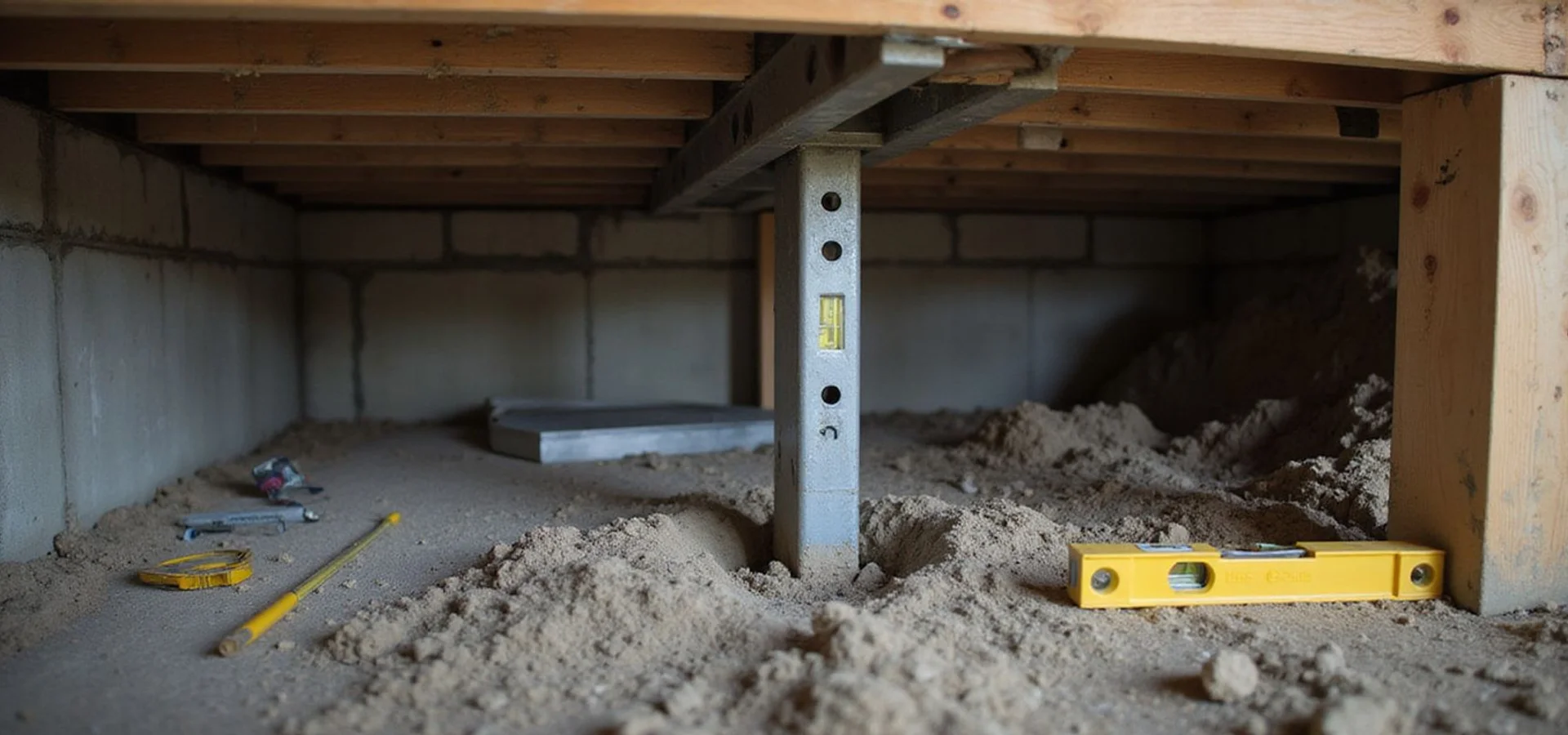
Crawl Space Repair
Repair for failing posts, beams, joists, and sills that cause sagging or bouncy floors.
Read more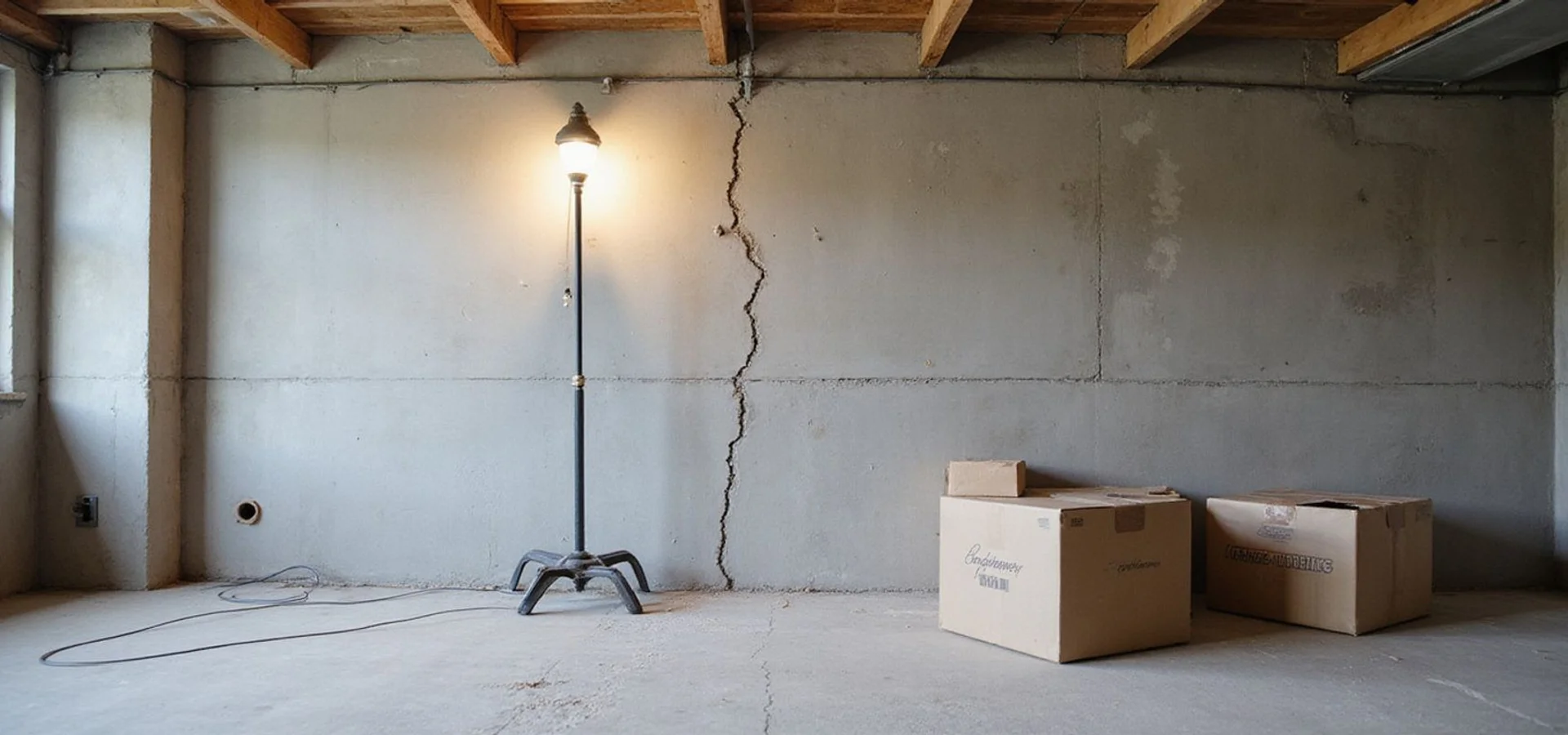
Basement Walls
Reinforcement and stabilization for cracked, bowing, or moving basement walls.
Read more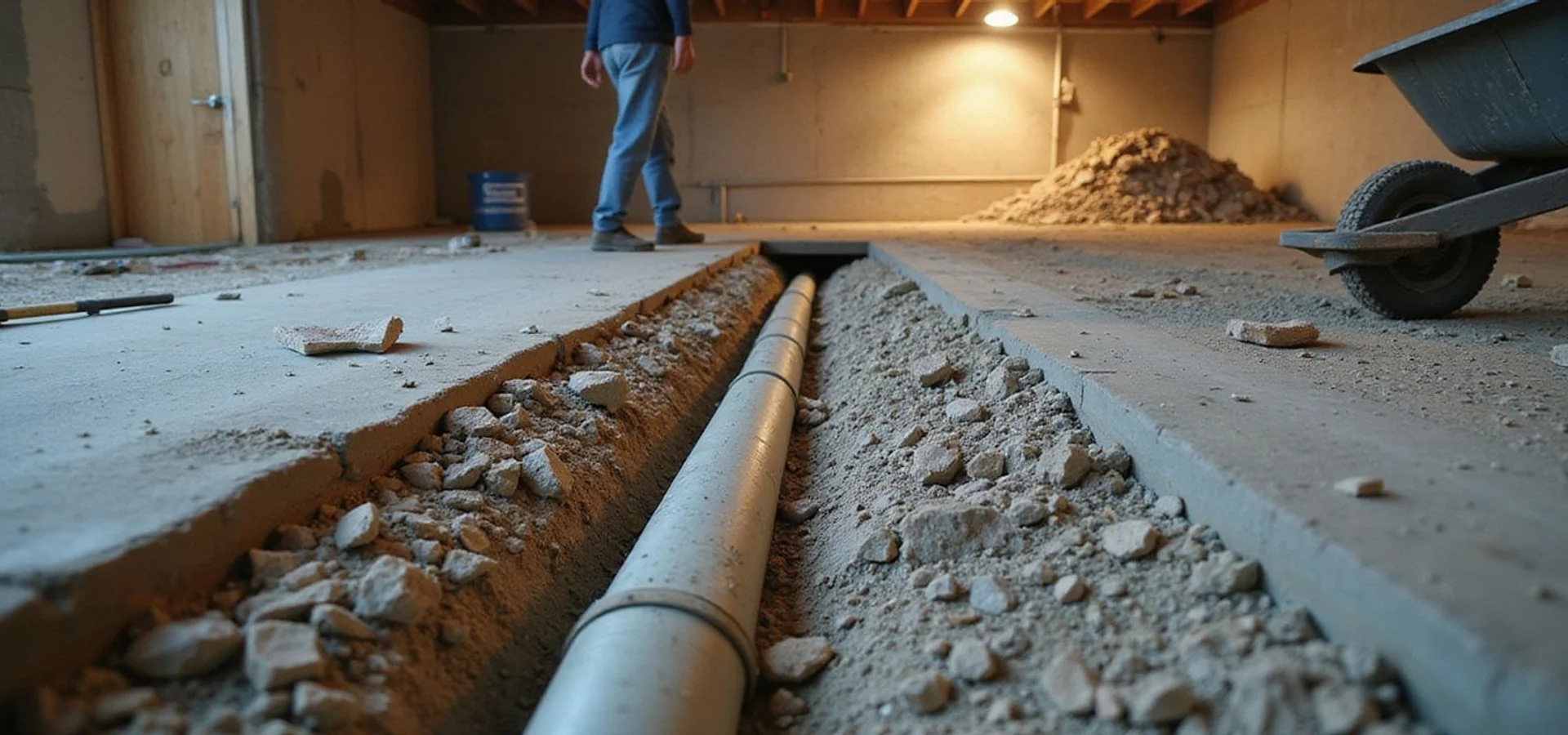
Waterproofing
Water-entry assessment with collection, drainage, and discharge systems.
Read more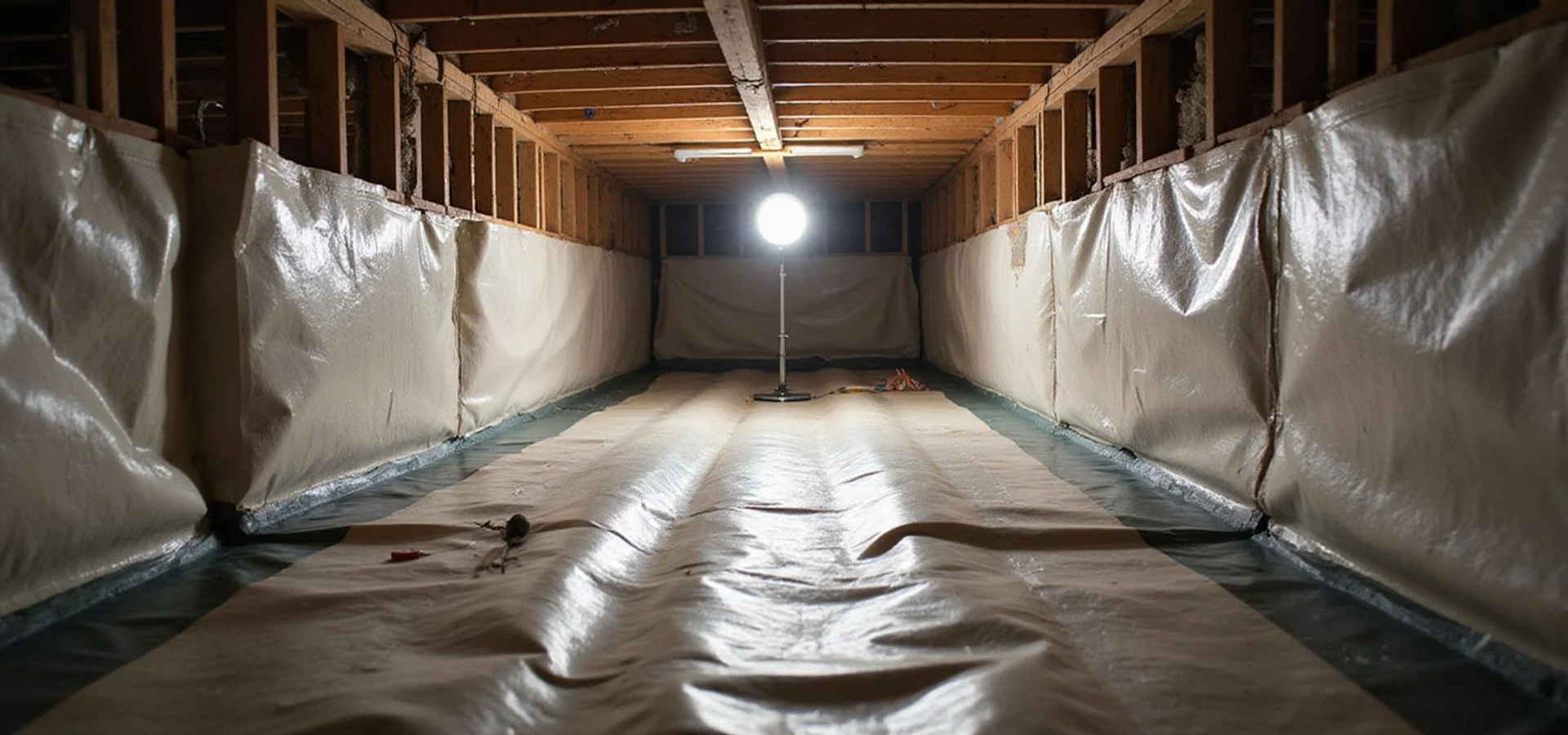
Moisture Control
Vapor barriers, encapsulation, drainage, and humidity management where appropriate.
Read moreWhy homeowners choose us
The Habits Behind Our Foundation Repair Approach
Foundation work is expensive and hard to inspect once it is buried. These are the habits that let you check what you paid for.
Diagnosis before method
Push piers, helical piers, pin piles, carbon fiber, wall anchors, and bracing are not interchangeable. Each addresses a different mechanism. We identify the mechanism with measurements first, then match the method to it, rather than fitting your house to whatever system we happen to install most often.
Measurements you can check
A multi-point laser manometer survey records exact floor differentials across the plan. Those readings become a baseline, which means a follow-up reading in two years can actually tell you whether anything has moved. Impressions cannot do that.
Scope stated in writing, exclusions included
Every proposal separates structural repair from cosmetic sealing and states what it does not cover: finishes, plumbing, landscaping, and restoration limits. Knowing what is excluded is what makes two quotes comparable.
Permitting handled honestly
Seattle SDCI, Bellevue Development Services, Snohomish County, and every other jurisdiction we work in has its own path. We identify the right one before quoting, including critical-area review where a parcel is mapped for steep slopes.
Local ground conditions taken seriously
Vashon till, Esperance sand, Lawton clay, outwash, uncontrolled fill, and Mercer Slough peat all behave differently, and they vary with depth and across a single lot. We do not describe one sequence as universal beneath Seattle, because it is not.
Limits stated, not hidden
A pier supports a designed load; it does not stabilise a moving slope. Unreinforced masonry needs more than mudsill bolting. Where a question belongs with a structural or geotechnical engineer, we say so and refer it.
The process
How Your Evaluation Unfolds
Four steps from the first message to a decision you can actually make. Nothing is committed until you have the written scope in front of you.
-
Step 01
Tell us what you see
Send the observations, photos, and rough timeline through the quote form. We'll tell you what an evaluation would examine and what it cannot establish from a photo.
-
Step 02
On-site evaluation
We record accessible observations and take multi-point laser manometer elevation readings, so floor differentials are measured rather than estimated by eye.
-
Step 03
Findings and limits explained
You get a plain explanation of what the findings do and do not indicate, including the limits of a visual assessment and whether an engineer should be involved.
-
Step 04
Written scope and next step
If repair is warranted, the proposal states quantities, depths, permit notes, and explicit exclusions. If it is not, we say that too.
Not sure whether what you're seeing is cosmetic or structural?
That question is exactly what an evaluation answers. Send us what you have noticed and we will tell you what we would look at.
Customer experience
What Seattle Homeowners Say About Their Foundation Repair
The evaluation was calm and thorough. They explained which cracks were cosmetic and which were load-bearing, and gave us a written scope with clear exclusions before any work.
Homeowner, Queen Anne
Queen Anne, WA
Our floors had started to slope near the kitchen. They audited the crawl space, showed us the failing posts, and fixed the moisture source too, not just the framing.
Homeowner, Ballard
Ballard, WA
We wanted a seismic retrofit before selling. They walked us through the SDCI Standard Plan and were honest that our older masonry needed an engineer's review.
Homeowner, Wallingford
Wallingford, WA
Illustrative summaries of the service experience. They are not verified Google reviews and carry no star ratings. Real reviews replace them once our Google Business Profile is connected.
Regional ground conditions
Seattle's Glacial Ground Rewards Depth, Not Guesswork
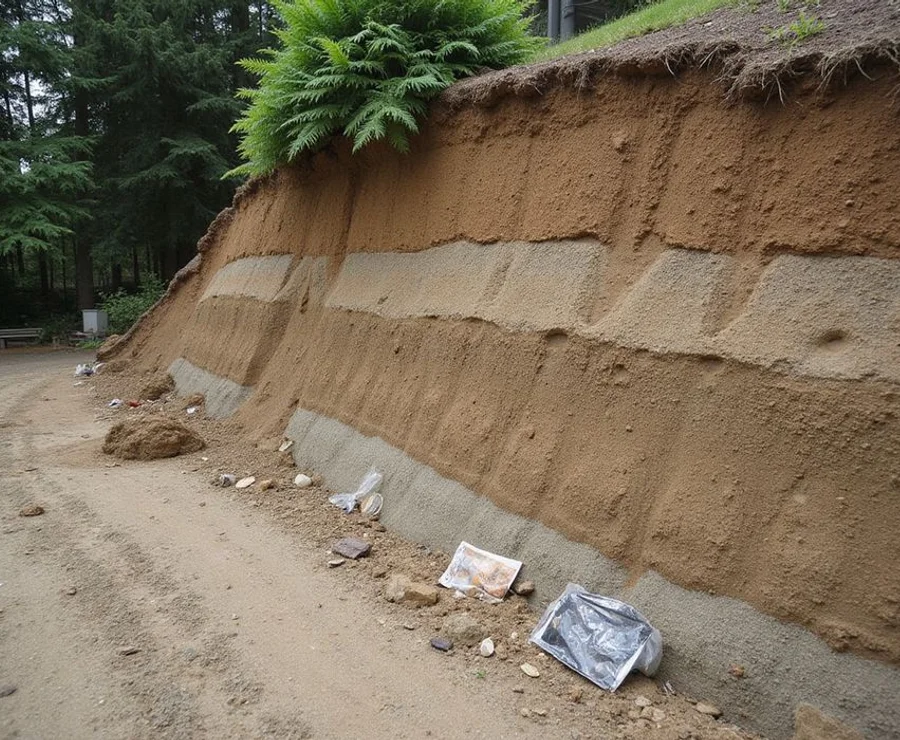
Puget Sound properties sit on glacial deposits, outwash, and a lot of uncontrolled fill, with groundwater that moves seasonally and slopes that complicate both. Vashon till, Esperance sand, and Lawton clay are real and useful terms, but no single sequence lies beneath all of Seattle, and clay is not uniformly weak or impermeable.
That variability is why we measure rather than assume. Bearing conditions change with depth and across a single lot, so the pier depth that works on one side of a house can be wrong on the other. We use Washington Geological Survey and city sources for local explanations, and we say when a question belongs with a geotechnical engineer.
Puget Sound regional coverage
Serving Seattle Neighbourhoods and the Wider Puget Sound
We work across Seattle, the North Sound, the Eastside, and the South Sound. Each area has its own ground conditions and its own permitting authority, and we scope projects around both rather than applying one template everywhere.
Main service areas
Also serving
Field records
What Foundation and Crawl Space Repair Looks Like in Seattle
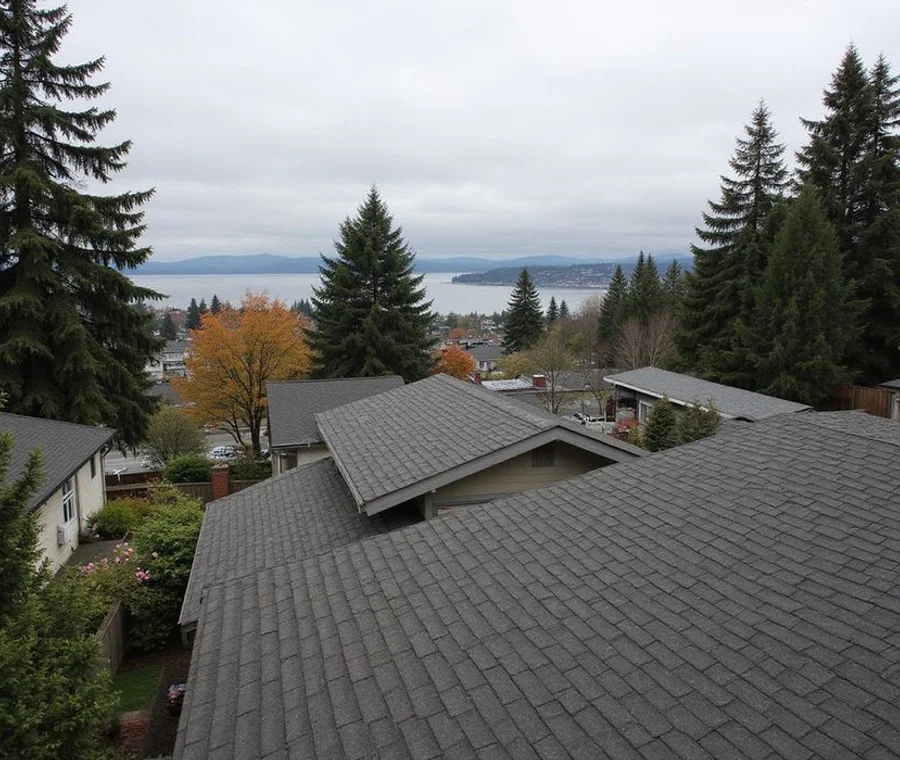
Foundation work happens in trenches, crawl spaces, and basements, and most of it disappears once it is backfilled. These images show the stages homeowners rarely get to see.
Illustrative images showing typical work stages. They are not photographs of specific completed projects or before-and-after evidence.
Before you call anyone
Foundation Repair FAQs for Seattle Homeowners
How do I know if a crack is cosmetic or a structural problem?
A crack's location and pattern matter more than its width alone. Diagonal stair-step cracks near corners, doors that bind, and sloping floors can indicate movement, while fine surface cracks are often cosmetic. Only an on-site evaluation with elevation measurements can tell them apart, we never diagnose from a photo.
Which foundation repair method will my home need?
It depends on the soil and the assessed condition. Settling footings are typically supported with push piers, helical piers, or pin piles driven to a competent bearing layer; bowing walls need reinforcement, not underpinning. We recommend a method only after a documented evaluation, and we keep structural repair separate from crack sealing.
How much does foundation repair cost in Seattle?
Cost depends on access, the affected area, support count and depth, excavation, engineering, permits, and restoration. We publish honest cost-driver guides rather than a single number, and we distinguish estimates from completed invoices. Your written quote itemizes quantities so you can see what drives the price.
Does my older Seattle home qualify for a prescriptive seismic retrofit?
Seattle's SDCI Standard Plan is a common starting point, but a prescriptive approach has eligibility conditions. Foundation condition, configuration, access, and unreinforced masonry can require an engineer's design. We check current permit instructions before recommending a scope and never promise a house will survive a specific earthquake.
Do you serve Eastside cities like Bellevue and Kirkland?
Yes. Beyond Seattle neighborhoods, we work across the Eastside, Bellevue, Kirkland, Mercer Island, Redmond, Issaquah, and Sammamish, where Mercer Slough peat and daylight basements create distinct settlement patterns worth evaluating locally.
Do I need waterproofing or drainage for a wet basement?
It depends on how water is entering. Surface and subsurface water is often best managed with footing or interceptor drains and better discharge, while water forced through walls under hydrostatic pressure calls for interior drainage and sealing. A vapor barrier addresses a different pathway than a footing drain, we assess the cause first.
Still have a question?
Send us what you're noticing and we'll tell you plainly what it might mean and what an evaluation would examine.
Ask us about your property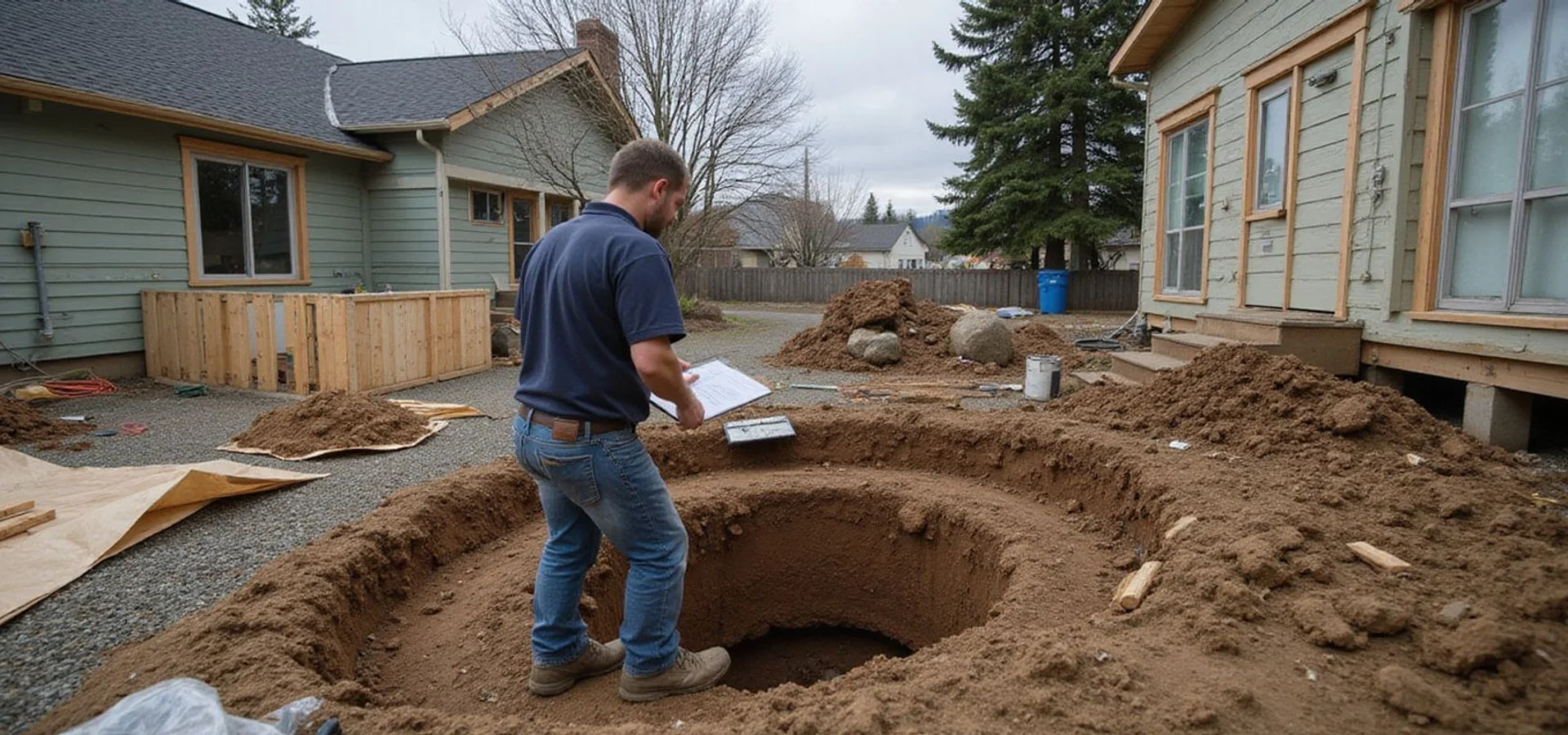
Next step
Ready to find out what your foundation actually needs?
Tell us what you're noticing. We'll review it, explain what an evaluation would examine, and give you a clear next step, with no pressure attached.
Free preliminary project review. Any charge for an on-site evaluation is explained before booking.