
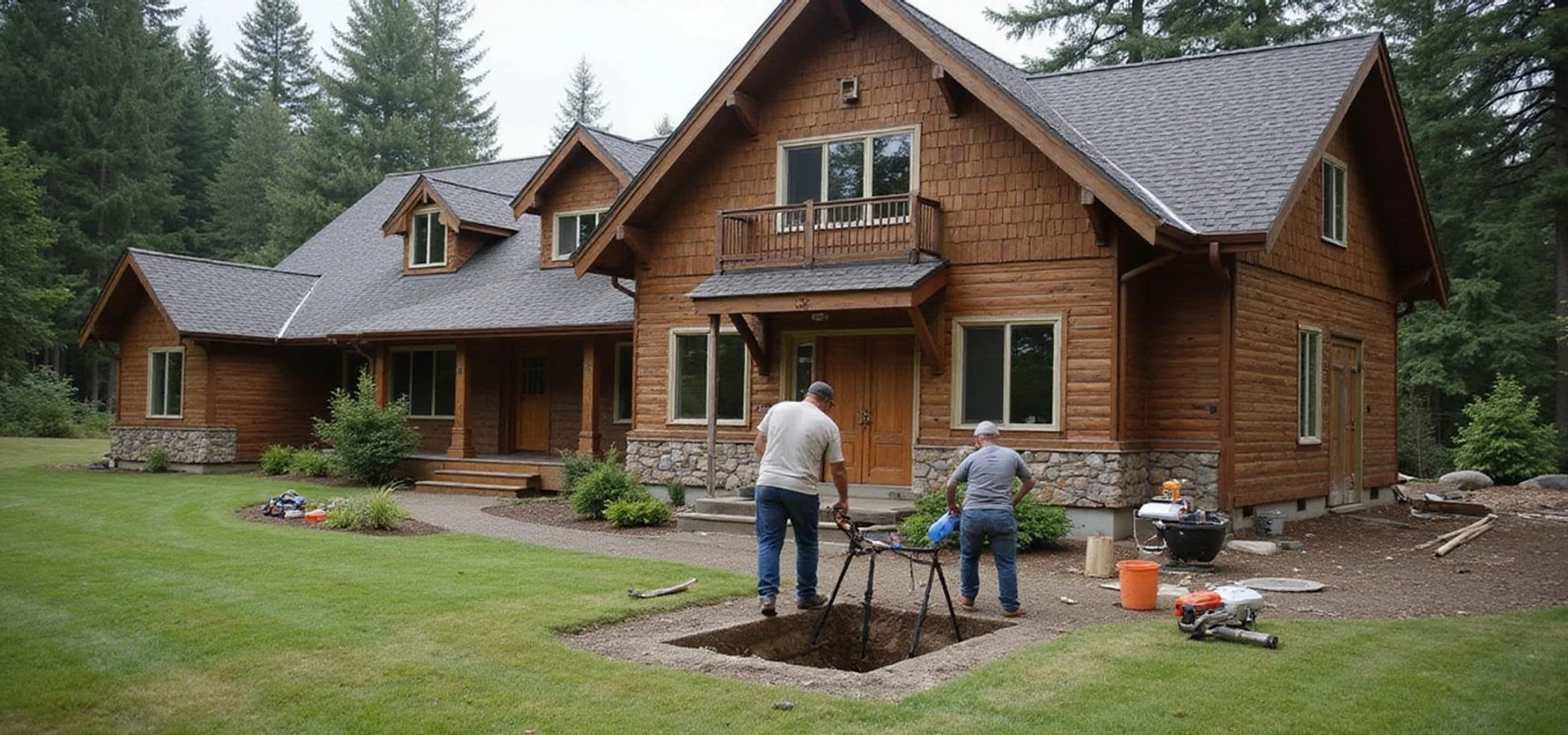
Foundation Repair & Evaluation in SeaTac
SeaTac's post-war housing and fill soils in the airport corridor bring crawl-space framing, drainage, and settlement findings that reward site-specific evaluation and documented scopes.
Areas covered
Free Preliminary Project Review
Tell us what you're noticing before you commit to anything.
Laser Manometer Elevation Survey
Multi-point measurements record exact floor differentials.
Written Scope With Exclusions
Quantities, depths, and permit notes stated in writing.
Registered Washington Contractor
Registration and bond are verifiable through L&I Verify.
Common concerns
Foundation Warning Signs Worth a Second Look
Most people reach out because something has changed and they cannot tell how serious it is. That is a reasonable place to start.
Cracks you cannot read
A diagonal line above a door frame or a stair-step crack in block work means something. Width alone does not tell you what. We measure the pattern and the movement before calling it anything.
Floors that have gone out of level
Sloping floors, doors that bind in one season, a gap opening where a wall meets the ceiling. These often trace to crawl space framing rather than the perimeter foundation, and the fix differs completely.
Water arriving every wet season
Puget Sound rain is sustained rather than dramatic, which is why basements leak in January and stay dry in July. Whether you need drainage or waterproofing depends on how the water is getting in.
Quotes you cannot compare
Two proposals, two numbers, no shared language. We itemise quantities, depths, and exclusions so you can see what each line is actually paying for and where the two differ.
Available here
Our Foundation Repair Services in SeaTac
SeaTac's post-war housing and fill soils in the airport corridor bring crawl-space framing, drainage, and settlement findings that reward site-specific evaluation and documented scopes.
Foundation Repair
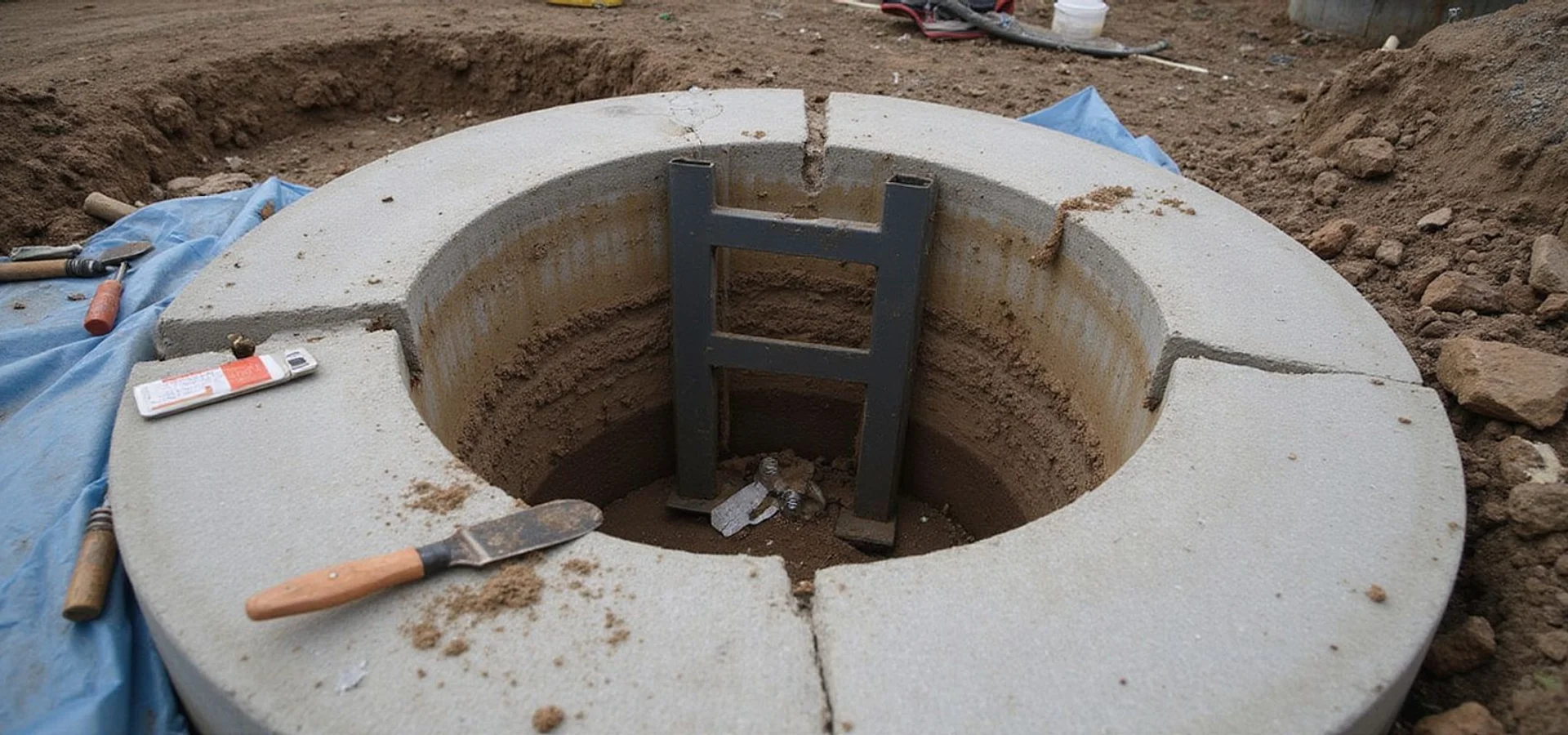
Support and stabilization for settling foundations, matched to assessed conditions and approved scope.
Read more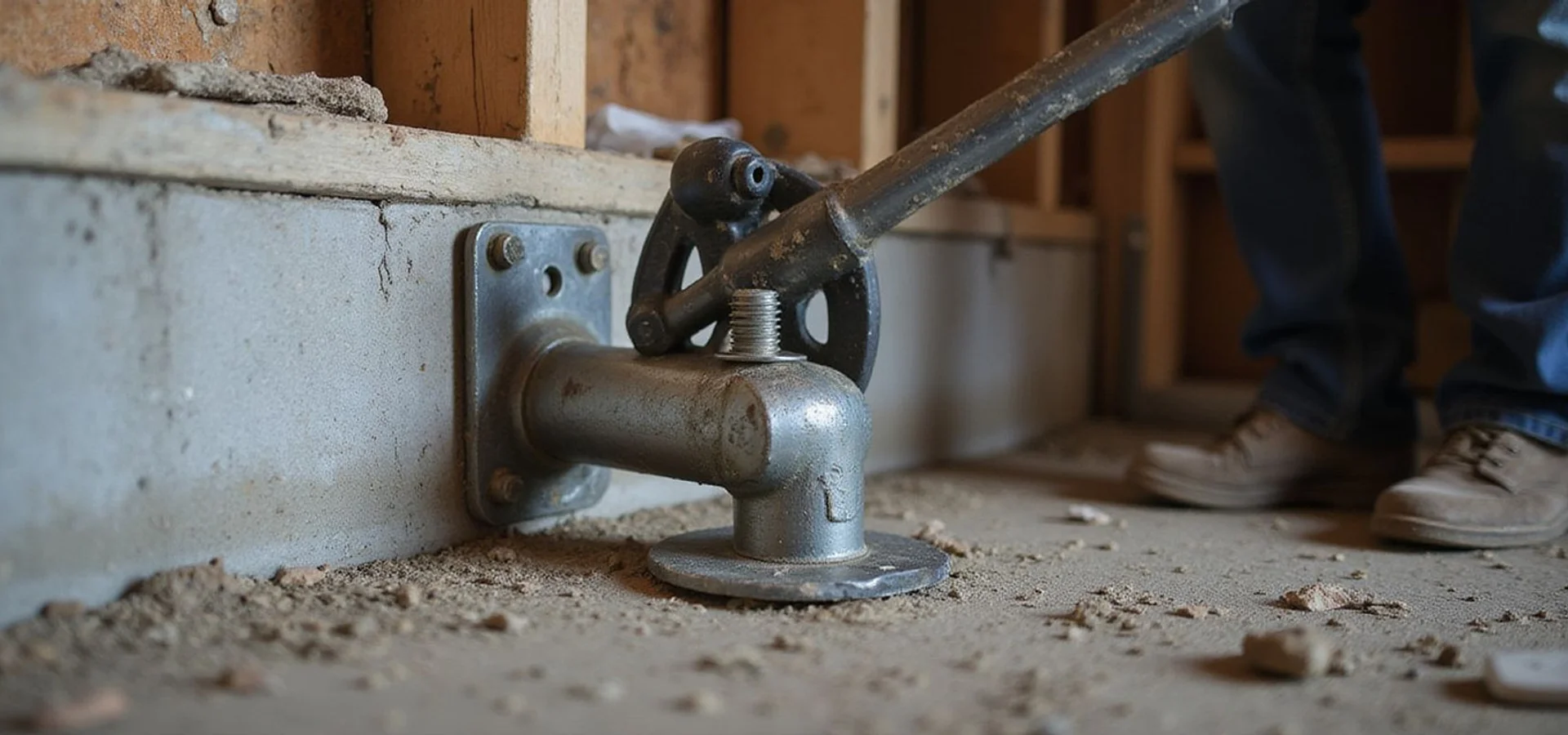
Seismic Retrofit
Foundation anchorage, sill connections, and cripple wall bracing that strengthen a home's load path.
Read more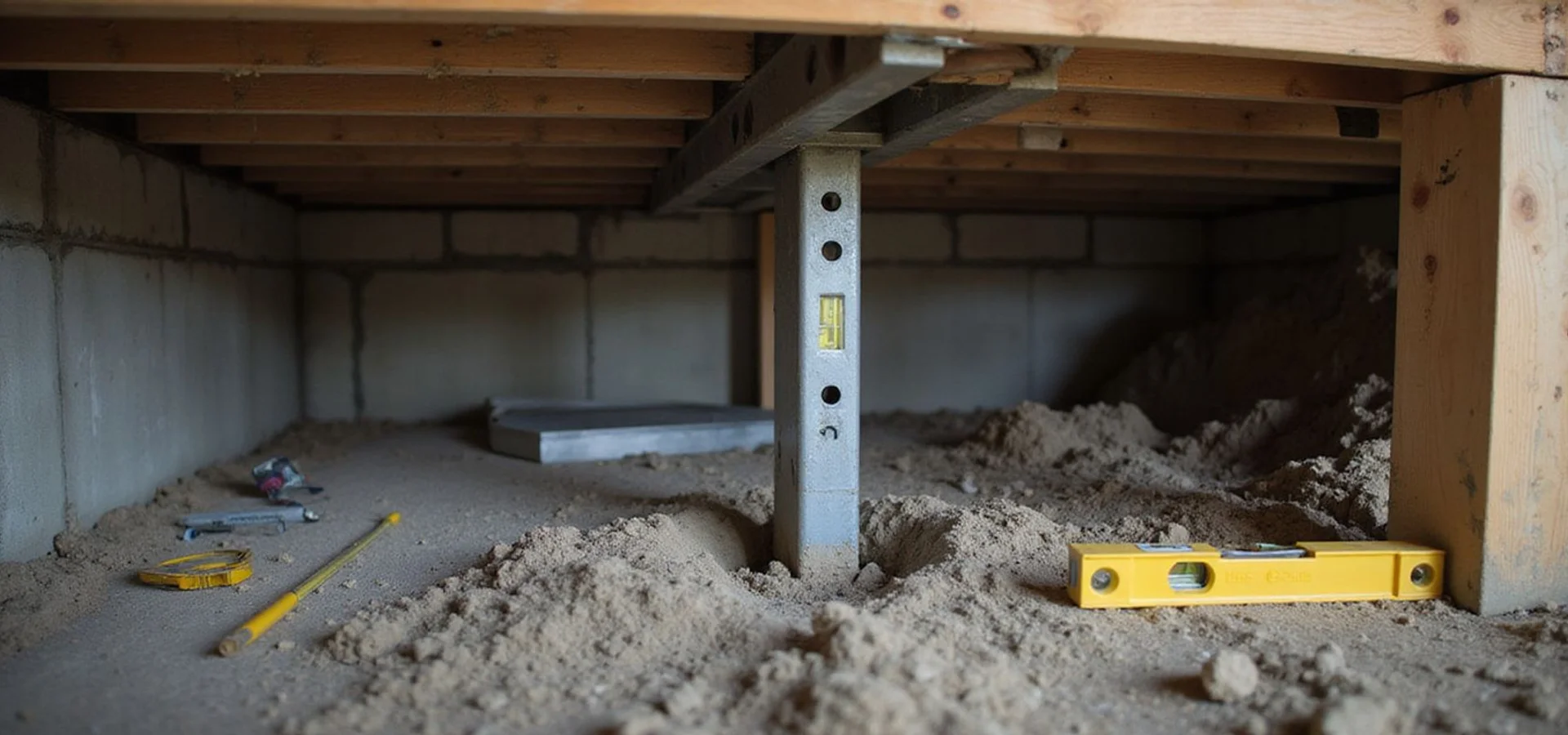
Crawl Space Repair
Repair for failing posts, beams, joists, and sills that cause sagging or bouncy floors.
Read more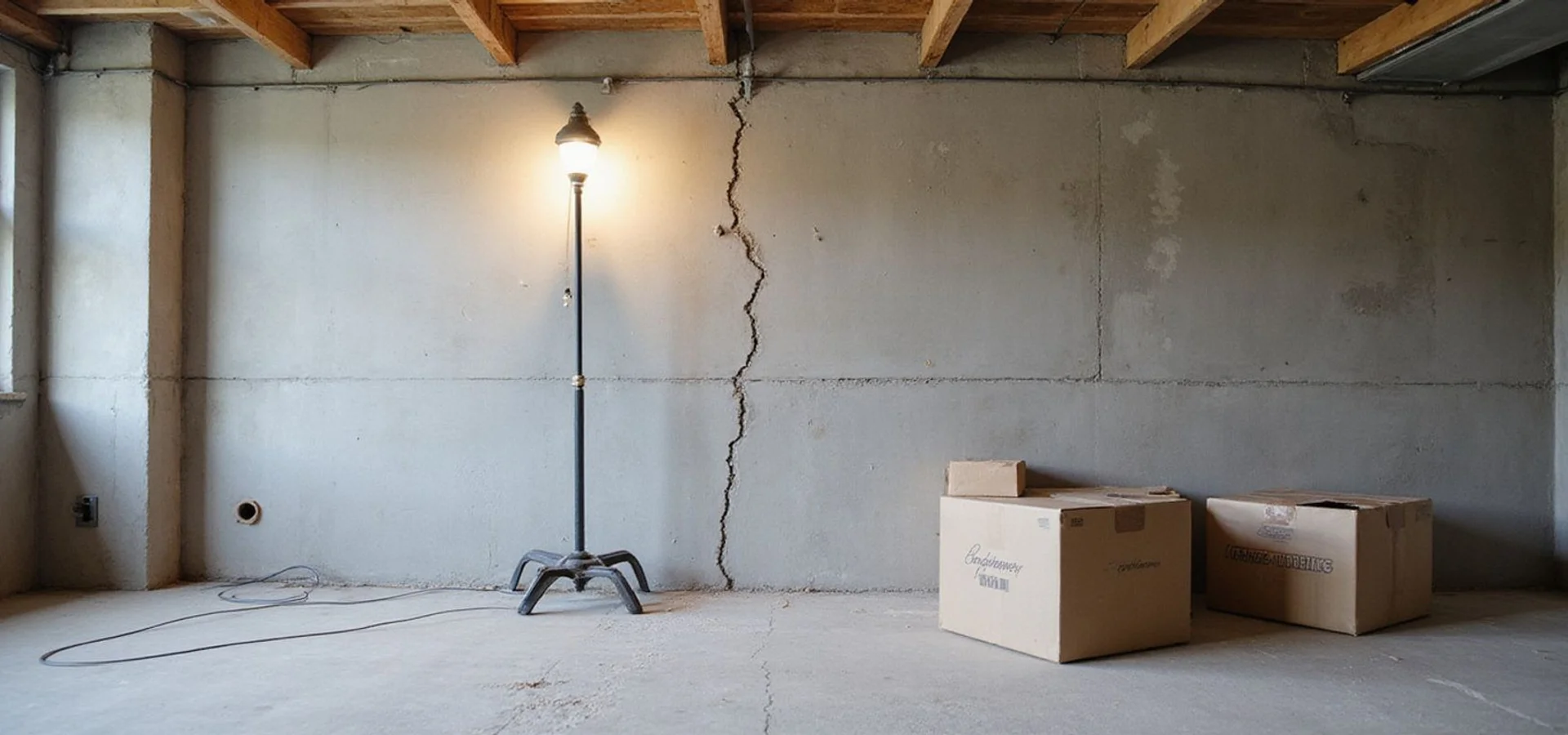
Basement Walls
Reinforcement and stabilization for cracked, bowing, or moving basement walls.
Read more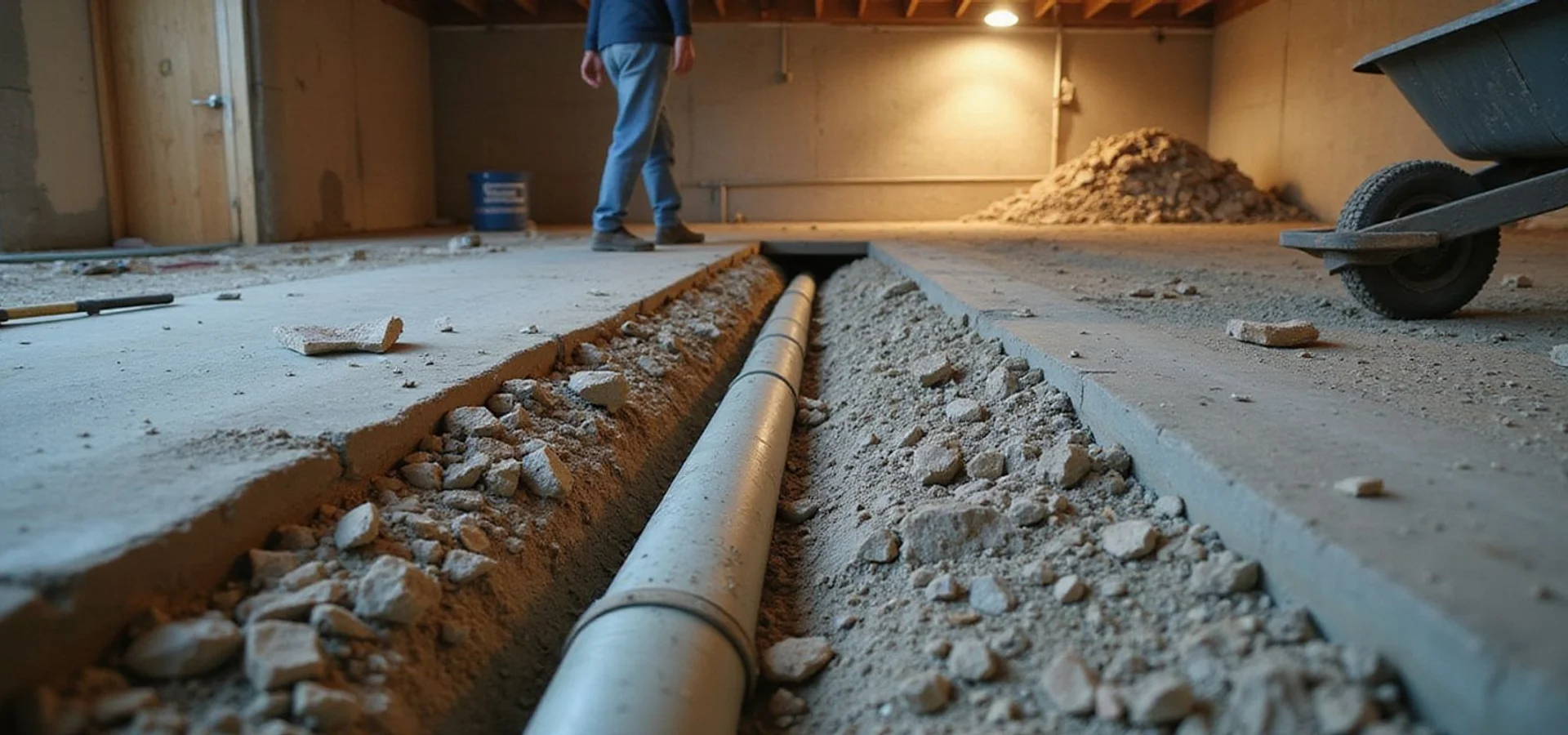
Waterproofing
Water-entry assessment with collection, drainage, and discharge systems.
Read more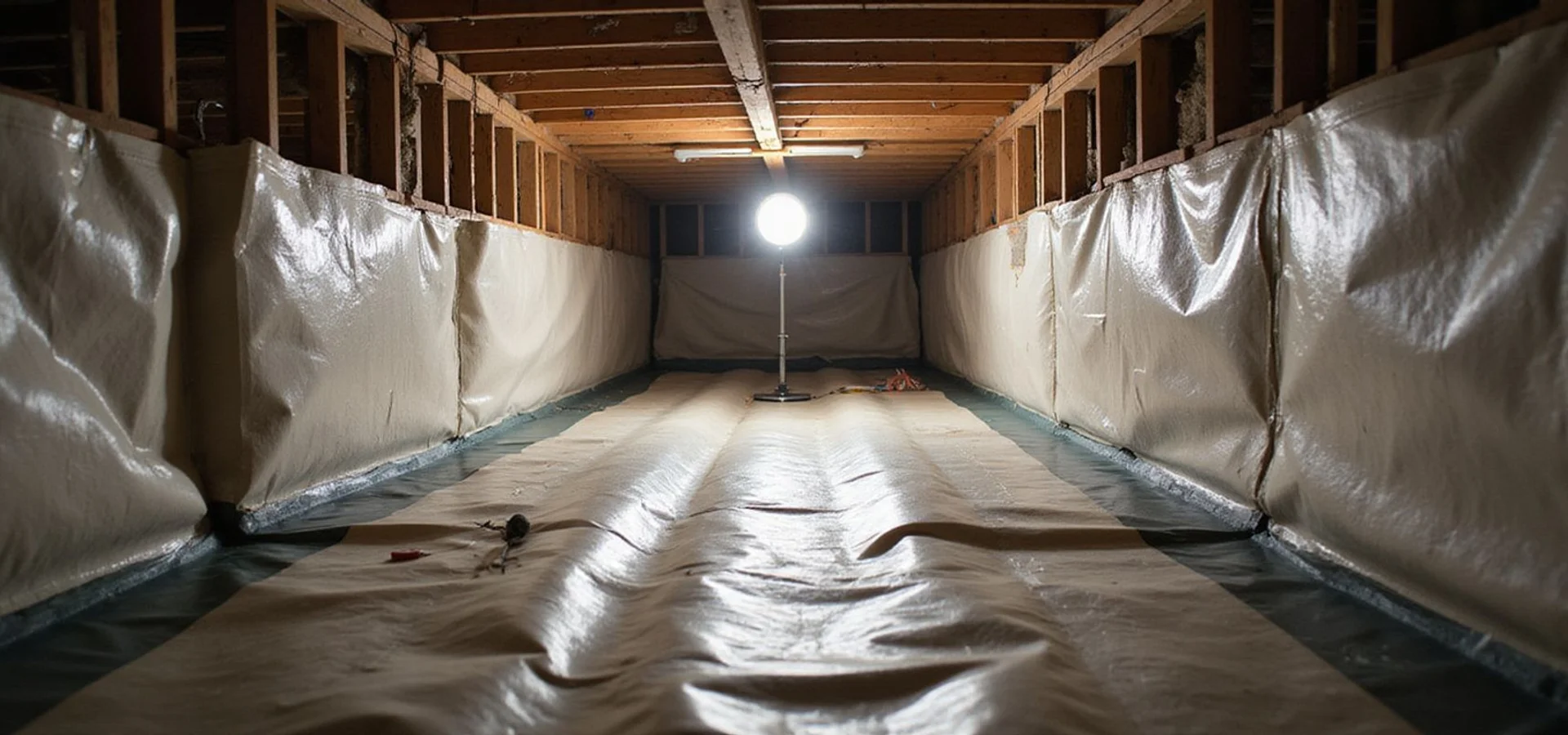
Moisture Control
Vapor barriers, encapsulation, drainage, and humidity management where appropriate.
Read moreThe process
How an Evaluation Works
Four steps from the first message to a decision you can actually make. Nothing is committed until you have the written scope in front of you.
-
Step 01
Tell us what you see
Send the observations, photos, and rough timeline through the quote form. We'll tell you what an evaluation would examine and what it cannot establish from a photo.
-
Step 02
On-site evaluation
We record accessible observations and take multi-point laser manometer elevation readings, so floor differentials are measured rather than estimated by eye.
-
Step 03
Findings and limits explained
You get a plain explanation of what the findings do and do not indicate, including the limits of a visual assessment and whether an engineer should be involved.
-
Step 04
Written scope and next step
If repair is warranted, the proposal states quantities, depths, permit notes, and explicit exclusions. If it is not, we say that too.
Need a foundation opinion in SeaTac?
Send the observations and the address. We'll confirm coverage, the applicable permitting authority, and what an evaluation would examine.
Local difference
Why SeaTac Homeowners Work With Us
Crawl-space audits that map posts, girders, joists, and moisture pathways before any repair is quoted
Non-engineered fill conditions identified and method-matched rather than pier count assumed from city-wide patterns
Drainage and structural repair scoped together where moisture drove the damage
City of SeaTac review path confirmed at scoping rather than defaulting to King County or SDCI
Documented laser manometer elevation surveys across the floor plan, not a single spot check
Coverage across McMicken Heights, Angle Lake, Bow Lake, Military Road, and Riverton
Customer experience
What SeaTac Customers Say
The evaluation was calm and thorough. They explained which cracks were cosmetic and which were load-bearing, and gave us a written scope with clear exclusions before any work.
Homeowner, Queen Anne
Queen Anne, WA
Our floors had started to slope near the kitchen. They audited the crawl space, showed us the failing posts, and fixed the moisture source too, not just the framing.
Homeowner, Ballard
Ballard, WA
Illustrative summaries of the service experience. They are not verified Google reviews and carry no star ratings. Real reviews replace them once our Google Business Profile is connected.
Local knowledge
Permitting and Site Conditions in SeaTac
SeaTac issues permits through its own city department rather than King County Building Services, and the submittal requirements and review timelines differ from both Seattle SDCI and unincorporated county review. Identifying the correct authority before quoting is part of how we scope a project here, particularly on parcels that sit near city boundaries with Tukwila or Burien.
The airport corridor shapes site conditions worth noting. Mid-century grading for residential development deposited non-engineered fill in several areas, which can compress under sustained building load differently from the region's native glacial till and outwash soils. We record that distinction in the evaluation rather than assuming uniform bearing conditions beneath every footing.
Access on SeaTac's flat residential grid is generally workable, with alleys on many blocks and conventional driveway widths. The exceptions are parcels near the ravines that drain toward Des Moines Creek, where spoils handling and discharge routing need planning before excavation begins.
Post-War Housing and Crawl-Space Conditions
Most of SeaTac's residential stock was built between the 1940s and the 1970s, when crawl-space foundations were standard for single-family homes in this part of King County. The typical pattern is a concrete perimeter stem wall with interior wood posts on pier blocks carrying the floor girders. It is a sound system when it stays dry and the post bases stay supported; it deteriorates slowly when moisture accumulates over decades.
Closer to Angle Lake and along lower portions of the Military Road corridor, slab-on-grade construction from the 1960s and later is more common. Settled garage slabs, sunken entry walks, and sub-slab voids from soil washout are findings we document separately from perimeter foundation movement, since the causes and the corrections differ.
Recurring patterns in SeaTac crawl spaces include post bases settled into soft fill, girders with moisture damage near the perimeter, and sill plates that were never bolted. Where those conditions exist alongside drainage that routes water toward the foundation, we scope the drainage correction and the structural repair together rather than treating them as separate jobs.
Neighbourhoods covered
Permitting authority
King County
Requirements differ between jurisdictions. We confirm which applies to your parcel before quoting rather than assuming Seattle rules carry over.
Landmarks & access
Near Seattle-Tacoma International Airport, Angle Lake Park, Des Moines Creek Trail.
Via I-5, SR-99 (International Blvd), SR-518
Transit: Link light rail (Angle Lake Station), RapidRide A Line
Map showing the general SeaTac area we serve. It is not a site assessment and it does not indicate risk at any specific address.
Local questions
SeaTac Questions
Does living near Sea-Tac Airport affect my foundation?
The airport itself is not a direct foundation hazard, but the corridor's mid-century grading introduced non-engineered fill in residential areas that can settle in ways that differ from the region's native glacial soils. That is worth documenting during an evaluation rather than dismissing.
Who issues building permits for SeaTac foundation work?
The City of SeaTac runs its own building services rather than routing through King County or SDCI. We confirm the review path before quoting because submittal requirements and timelines differ, and getting that wrong delays a permitted project by weeks.
My SeaTac home has a bouncy floor in the middle of the room. Is that a foundation problem?
Usually it is a crawl-space framing problem rather than a perimeter foundation issue. Settled post bases, an undersized girder, or moisture-damaged joists all produce that feeling. An evaluation that maps the substructure separates them and identifies the actual cause.
Do I need to fix moisture before repairing the framing?
They belong in the same scope. Replacing a decayed beam without correcting what wet it means the new wood follows the same path as the old. Where moisture drove the damage, source correction is part of a durable repair.
Can you do a seismic retrofit and crawl space repair in the same project?
Yes, and it is often efficient since both happen in the same crawl space. They remain separate line items in the written scope, because bracing and bolting address different connections than restoring a settled post.
My driveway has settled at the garage entry. Can it be lifted?
Often yes, where a sub-slab void has formed and the slab is structurally intact. Polyurethane foam can lift it back to grade with a controlled raise. Where the soil cannot support a lift or the slab is badly cracked, replacement is the better value and we will say so.
Which SeaTac neighbourhoods do you cover?
McMicken Heights, Angle Lake, Bow Lake, Military Road, Riverton, and the surrounding streets, plus neighbouring Burien, Tukwila, and Des Moines. If you are near the boundary, ask. We will tell you plainly whether we serve your address.
Still have a question?
Send us what you're noticing and we'll tell you plainly what it might mean and what an evaluation would examine.
Ask us about your propertyNearby coverage
Areas We Also Serve Near SeaTac
Burien
Seattle Foundation Repair serves Burien homeowners dealing with foundation settlement, crawl space damage, and seasonal drainage on the city's west-facing slopes toward Puget Sound. Post-war homes built in the 1950s and 1960s near Seahurst, Three Tree Point, Gregory Heights, and Boulevard Park commonly show settling in crawl space framing and moisture intrusion where slopes meet the bluff. We evaluate each property with multi-point laser manometer readings and document bearing soil, drainage paths, and structural framing before recommending any repair scope. Available services in Burien include helical pier underpinning, crawl space encapsulation, basement waterproofing, concrete leveling, and retaining wall stabilization.
View BurienTukwila
The Duwamish valley's high seasonal water table and alluvial soils make drainage collection, sump sizing, and discharge routing the recurring scope drivers for Tukwila homes in Allentown, Foster, Riverton Heights, Southcenter, and Thorndyke. Basement waterproofing, crawl space encapsulation, and concrete leveling are common alongside structural repair on older single-family and split-level properties. Searching for foundation repair near you in Tukwila? Seattle Foundation Repair covers every Puget Sound community from Seattle south through Renton and Burien.
View TukwilaDes Moines
Des Moines sits on the **Puget Sound** shoreline where the terrain drops toward the water and post-war housing occupies a mix of flat upland lots and bluff-edge parcels above the Sound. Crawl-space framing issues and seasonal moisture are the most common findings here, shaped by the marine climate and drainage corridors that concentrate runoff along the coastal slope. Homes in the **Marine Hills** and **Zenith** areas carry typical post-war and mid-century crawl-space construction where settled post bases, decayed girder ends, and unbolted sill plates appear after decades of wet winters. Foundation work in this part of south King County routes through King County or the City of Des Moines building review depending on the parcel, and confirming the applicable authority before quoting avoids a scope priced to the wrong review path. Bluff-facing lots near **Saltwater State Park** and the marina waterfront bring slope drainage and coastal runoff considerations that inland parcels do not, which shapes both the drainage design and the method selection on those properties. The area sits within our regular south King County coverage alongside Burien, Kent, and Federal Way. The older housing stock in the **Kent-Des Moines** corridor along Pacific Highway S runs from the 1950s through the 1980s: conventional crawl spaces on post-and-pier supports with sill plates that were commonly built without anchorage. Cripple walls in that era are frequently unbraced, so seismic retrofit questions come up alongside crawl-space settlement work in the same evaluation. Flatwork settlement is a recurring finding on slab-on-grade properties as sub-slab soils shift under driveways and garage slabs over time.
View Des Moines
Next step
Foundation concerns in SeaTac?
Free preliminary project review. Free preliminary project review on every enquiry, with the evaluation charge explained before anything is booked.
Free preliminary project review. Any charge for an on-site evaluation is explained before booking.