
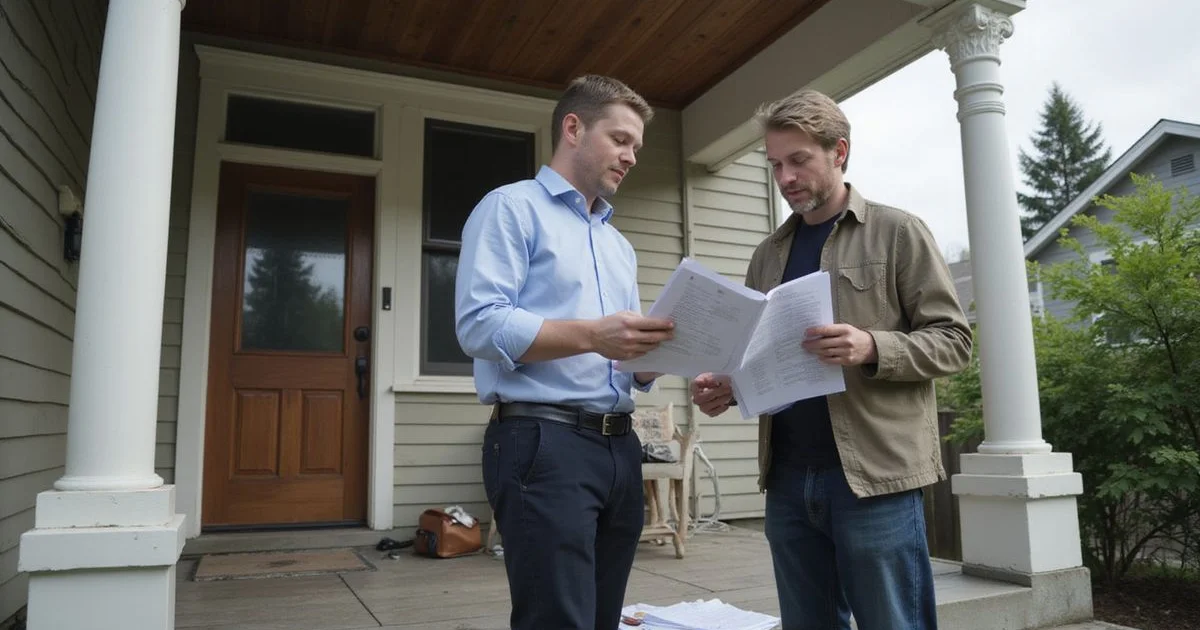
You know how quickly a real estate transaction can derail when the word “foundation” comes up during an inspection.
Buyers often freeze because they assume the property is permanently flawed, while sellers panic over massive price drops or a canceled sale. Data from the National Association of Realtors (NAR) in 2026 shows that unaddressed structural issues can reduce a home’s value by 10% to 15%.
A documented structural fix transforms a potential deal-breaker into a standard maintenance record.
Our professional service team at Seattle Foundation Repair has helped countless homeowners manage this process with clear, documented evidence. We will look at the actual data and walk through the exact steps you need to keep a sale on track.
Foundation Repair Is Not a Disqualifier
A past structural repair simply means a specific problem was identified and permanently fixed. It should never automatically disqualify a property from being bought or sold. Around 25% of all US homes will experience foundation issues at some point.
Every older property has undergone maintenance for plumbing, roofing, or drainage. Structural work carries more emotional weight because of the perceived expense and safety risks.
We advise clients to ask three practical questions about any past work: was it diagnosed properly, completed professionally, and fully documented? The difference between a red flag and a green light is the paperwork. A well-documented underpinning project on a 1920s Craftsman using steel piers is a solved problem. An undocumented concrete patch with no engineering scope remains a massive open question.
Let’s look at a few acceptable repair methods that restore a home’s structural integrity:
- Helical piers: These steel shafts stabilize sinking footings by reaching load-bearing soil deep underground.
- Carbon fiber straps: This method reinforces bowing basement walls and prevents any further inward movement.
- Polyurethane foam injection: Also known as polyjacking, this rapidly lifts and levels settled concrete slabs.
- Crawl space encapsulation: This controls moisture and protects the wooden support beams from future rot.
For Sellers: Assemble the File

Sellers need to gather every permit, invoice, and engineering report related to the foundation work before listing the property. Having these documents ready changes the tone of the negotiation from suspicious to confident.
We always tell sellers to build a comprehensive documentation folder before the first open house. This proactive step eliminates surprises during the buyer’s inspection period. Buyers are well aware that average foundation repairs in 2026 cost between $2,225 and $8,135. They want to know you handled the issue correctly so they do not inherit a massive bill.
If you have had foundation work done, gather these essential items before listing:
- Permits and final inspection records. This single document proves the local jurisdiction reviewed and signed off on the project.
- The written scope of work. Buyers need to see the quantities, depths, methods, and exclusions to understand what was actually fixed.
- Engineering documentation. Include the structural engineer or geotechnical soil report if one was commissioned. A geotechnical report usually costs $500 to $3,000 and provides objective proof of the soil conditions.
- Detailed invoices. These financial records must match the original scope of work.
- Pre- and post-work measurements. Dated elevation surveys taken before and after the job are highly persuasive because they offer objective data.
- The warranty documents. Check the transferability terms to see if the new owner is covered. See warranty transferability for exactly what to verify.
Our team recommends assembling this packet early to keep you in control of the transaction. Scrambling to find a five-year-old invoice during an inspection contingency looks highly suspicious.
Disclosure
The foundation repair disclosure Washington state requires on Form 17 covers known material defects and past repairs. Attempting to hide or minimize a documented repair history is a legal liability that frequently kills deals.
The Real Property Transfer Disclosure Statement (Form 17) is a mandatory six-page questionnaire governed by RCW 64.06. It includes a specific section dedicated to structural issues, settling, and past foundation work.
We strongly advise homeowners to answer these questions based on their actual knowledge. Your real estate agent or attorney is the best source for specific legal guidance on completing this paperwork. From a practical standpoint, minimizing a past issue almost never works. A competent home inspector will easily spot the newly installed push piers, the carbon fiber strips, or the patched concrete slab.
| Disclosure Approach | Buyer Perception | Transaction Impact |
|---|---|---|
| Proactive & Complete | Honest seller, solved problem | Smooth negotiation, protects home value |
| Vague or Incomplete | Suspicious, hidden costs likely | Demands for price reductions or structural credits |
| Hidden / Undisclosed | Dishonest seller, high risk | Deal cancellation, potential legal liability |
Discovering undisclosed structural work instantly converts a solved mechanical issue into a major trust problem. Trust issues destroy real estate transactions at a much higher rate than any physical defect ever could. The strongest negotiating position is handing over a complete, transparent file right from the start.
For Buyers: What to Ask
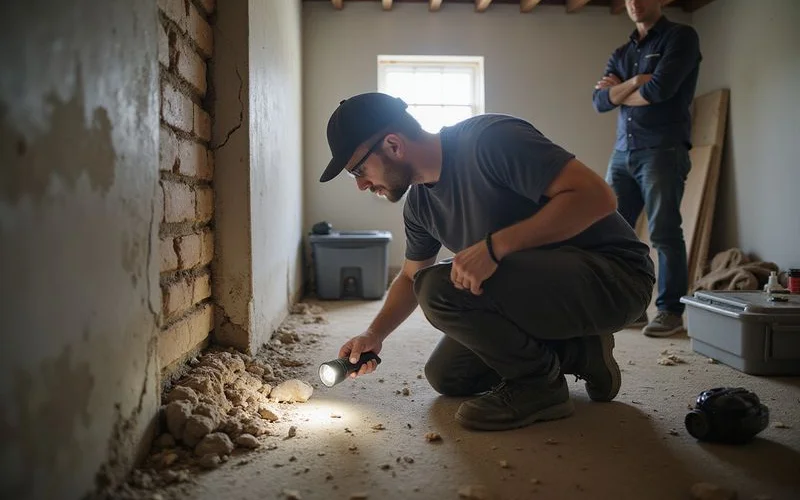
When buying a house with foundation repair history, you must ask for the complete repair file and verify if the root cause of the structural issue was permanently fixed. Requesting these documents helps you separate a well-maintained home from a potential money pit.
Once you receive the seller’s documentation, you need to review it carefully for three specific factors.
- Was the root cause identified? A scope of work describing the installation of steel piers at a settled corner indicates a proper diagnosis. A scope that only mentions injecting epoxy into cracks is just a cosmetic fix. If the underlying issue, like expansive clay soil or poor drainage, was never addressed, the ground is likely still moving.
- Was the project permitted? Unpermitted structural modifications are a serious liability. This oversight complicates your future renovation permits, creates insurance hurdles, and means no independent official ever reviewed the safety of the work.
- What was specifically excluded? Pay close attention to the fine print. If the contractor’s scope excluded exterior drainage correction, and the property clearly lacks proper gutters, the main driver of the damage might still exist.
The question worth asking the seller
“What was the original concern, and what did the evaluation find?”
Our favorite sellers are the ones who can answer that question clearly. This clarity usually means they hired a reputable contractor who took the time to explain the diagnosis. A homeowner who vaguely states that a crew put in some supports likely used a company that skipped the educational part of the process. This lack of knowledge is itself worth noting.
When an Independent Evaluation Makes Sense
An independent evaluation is highly recommended whenever the property has a repair history but lacks comprehensive documentation. This targeted inspection costs a fraction of the home’s purchase price and provides crucial peace of mind.
Where past work exists but the paperwork is thin, hiring a specialist for an independent evaluation is the smartest investment you can make.
We often remind buyers that a standard home inspection covers a massive amount of ground at a very shallow depth. A general inspector will flag a cracked wall, but they will not measure the exact degree of settlement. A dedicated structural engineer report typically costs between $500 and $1,000. This modest fee is incredibly cheap insurance when you consider that a major underpinning project can easily exceed $20,000.
The Value of Specialized Measurements
A dedicated evaluation establishes exactly what the building is doing today. The specialist will use tools like a zip level to take precise elevation measurements across the floor plan.
This data is entirely independent of what the seller’s paperwork claims. If the repaired area remains perfectly stable, you have verified confirmation to proceed. If a section is still sinking, you have discovered the problem before closing day.
What Repair History Actually Signals
A documented repair history signals that a previous owner actively maintained the home and successfully resolved a complex issue. It does not automatically mean the house is inherently defective or unsafe.
Many buyers mistakenly read any structural work as a permanent black mark against the property. The more accurate interpretation is that a responsible owner identified a flaw and invested thousands of dollars to fix it. This proactive maintenance is actually much better than buying the comparable house down the street where nobody has bothered to look in the crawl space for a decade.
Real estate data shows that properly repaired structural issues actually help restore a home’s baseline market value. The genuinely concerning scenarios look very different than a standard, permitted repair.
You should walk away if you encounter any of these red flags:
- Repeated repairs at the exact same location. This pattern suggests the original contractor never found the true cause of the movement.
- Cosmetic patches masking structural failure. Filling a half-inch wide horizontal crack with mortar does not stop a basement wall from bowing inward.
- Unpermitted DIY projects. Amateurs using hydraulic jacks and wooden posts create massive safety hazards.
- Visible signs of active movement. Fresh drywall tears or newly jammed doors indicate the ground is still shifting right now.
Our team knows that these specific scenarios are the real dealbreakers. None of those situations are about the mere existence of a repair history. They are about the quality and effectiveness of the work that was actually performed.
Both Sides, Same Advice
Both buyers and sellers must prioritize gathering and reviewing every piece of structural documentation available. A complete file removes the guesswork and allows both parties to confidently agree on a fair price.
The facts do not change depending on which side of the closing table you sit on. Get the complete file in your hands. Read the detailed scope of work, rather than just glancing at the final invoice total.
Check the city or county records to verify the permits were closed out. Confirm whether the lifetime warranty transfers to the new owner and note any administrative fees required to execute that transfer.
Final Thoughts on Transaction Success
We have watched countless transactions succeed because both parties had access to clear, verified data. A foundation repair with a complete paper trail is a closed matter that the market can easily price. A repair with no supporting records is a massive open question.
Those open questions always end up costing the seller significantly more money than a proper structural evaluation would have.
Do not leave the outcome of your real estate transaction to chance. Reach out to a qualified structural specialist today to get the exact documentation and peace of mind your transaction requires.