News & Updates
Our Editorial Standards: Primary Sources and Attributed Technical Review
We've published how our foundation guidance is written and reviewed, including our use of primary engineering and municipal sources and how technical reviewers are credited.

We have published a full editorial standards page, and this post explains why we bothered.
Foundation content online has a specific problem. It is written by companies that sell foundation repair, it is full of confident technical claims, and almost none of it is checkable. A homeowner researching a crack encounters a dozen articles telling them different things with equal certainty, and no way to tell which author consulted a primary source and which one was writing to a keyword brief.
We publish a lot of guidance ourselves, so we are part of that landscape. Saying where our material comes from and who reviews it seemed like the minimum. Anyone weighing up foundation repair in Seattle deserves to know which claims rest on a primary source and which are marketing.
Who Writes This
Everything on this site carries the byline Dane Calloway. That is an editorial pen name used by Seattle Foundation Repair, and we say so on every page where it matters rather than burying it.
A single editorial voice keeps the tone and the standards consistent across eleven service pages, thirty-eight guides, and two dozen location pages. That is the only reason it exists.
It does not stand for a licensed engineer, and we attach no credentials or field experience to it. Where a page relies on professional judgement, on measurements taken at a property, or on site observations, those are attributed to the person responsible. If you read a claim about what was measured on a job, there is a real person behind that measurement and the project record names them.
We would rather be transparent about a pen name than quietly imply that a fictional expert with fictional qualifications wrote our cost guides.
Where the Facts Come From

Technical facts come from primary sources, and we are specific about which.
Local geology and landslide context come from the Washington Geological Survey and the Washington Department of Natural Resources. Permitting and critical-area requirements come from the reviewing jurisdiction, Seattle SDCI inside the city, and a different authority in every other place we work, because the requirements are genuinely not interchangeable. Contractor registration and bond requirements come from Washington L&I.
Business claims come from our own records rather than from an industry template.
The practical effect is that our guides are sometimes less decisive than competitors’. We will not tell you that a specific soil sequence lies beneath your neighbourhood, because the mapping does not support statements at that resolution. We will not give you a crack-width severity table, because no such universal rule survives contact with real buildings. Less satisfying to read, more likely to be true.
How We Handle Numbers
Cost figures need sources, dates, scope, units, and exclusions. A number without those attached is decoration.
We distinguish sourced estimate ranges from completed-invoice figures, and we say which we are quoting. Where we discuss permit valuations at all, they are labelled as declared permit values with their limitations explained, they exclude scope, they combine unrelated work, and records are incomplete. They are not what homeowners paid, and we will not title an analysis as if they were.
We do not publish local averages we cannot support. “The average foundation repair in Seattle costs X” is the kind of sentence that performs well and means nothing, because the average of a set of projects with wildly different scopes is not a useful number for your project.

What we publish instead are cost drivers: the factors that actually move a quote, explained so you can work out which apply to your property. Our foundation repair cost guide is written that way, as are the retrofit and waterproofing equivalents.
The Things We Refuse to Publish
This list is short and specific.
Fear. No disaster framing, no invented urgency, no language implying a house is about to fail based on a photograph.
Impossible promises. Not “earthquake-proof,” not “guaranteed dry forever,” not any claim that a building will survive a specific event.
Unverifiable superiority. Not Seattle’s largest, oldest, or best. Those claims cannot be checked and they tell a reader nothing.
Invented social proof. No fabricated ratings, no reviews attributed to customers who did not write them, and no aggregate rating in our structured data that is not backed by real, visible, verifiable feedback. Where illustrative text stands in for reviews we have not yet collected, it is labelled as illustrative. Our reviews page explains that position in full.
Address-level risk scores. A mapped hazard designation describes regional conditions at map scale. It does not predict what a specific house will do, and absence from a mapped area is not proof of safety.
Images
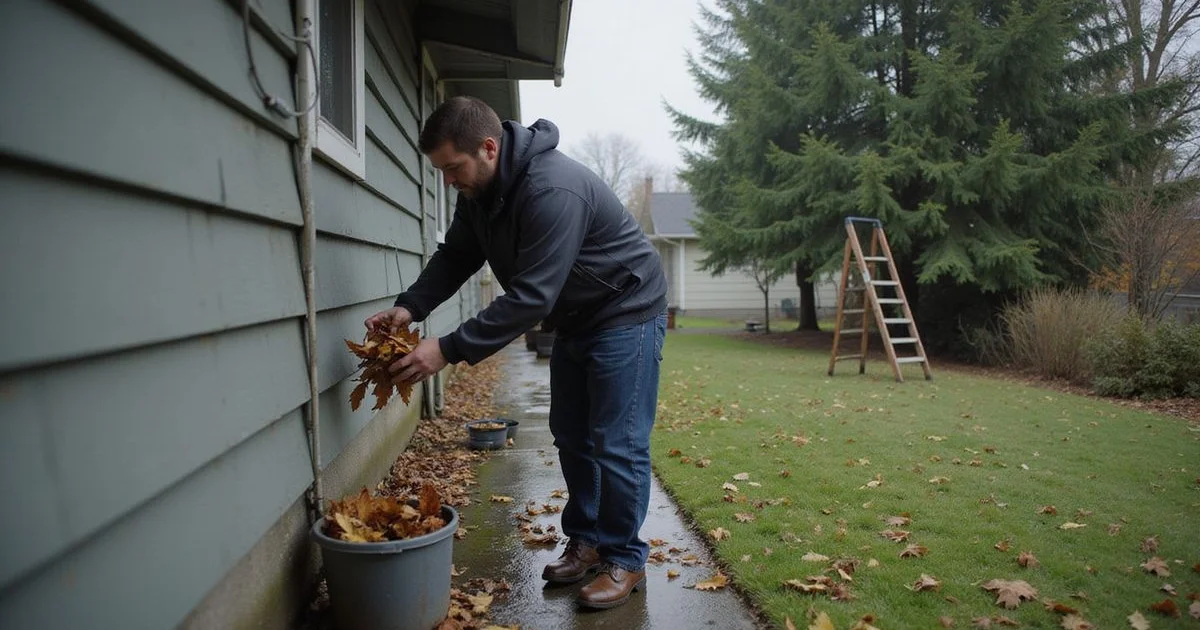
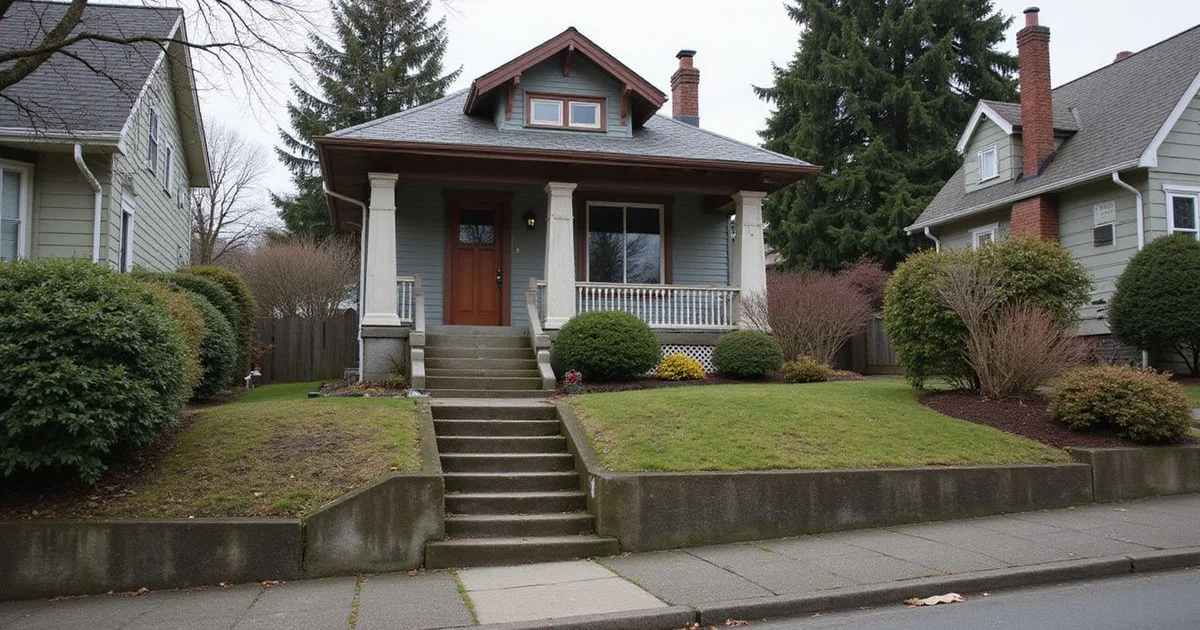
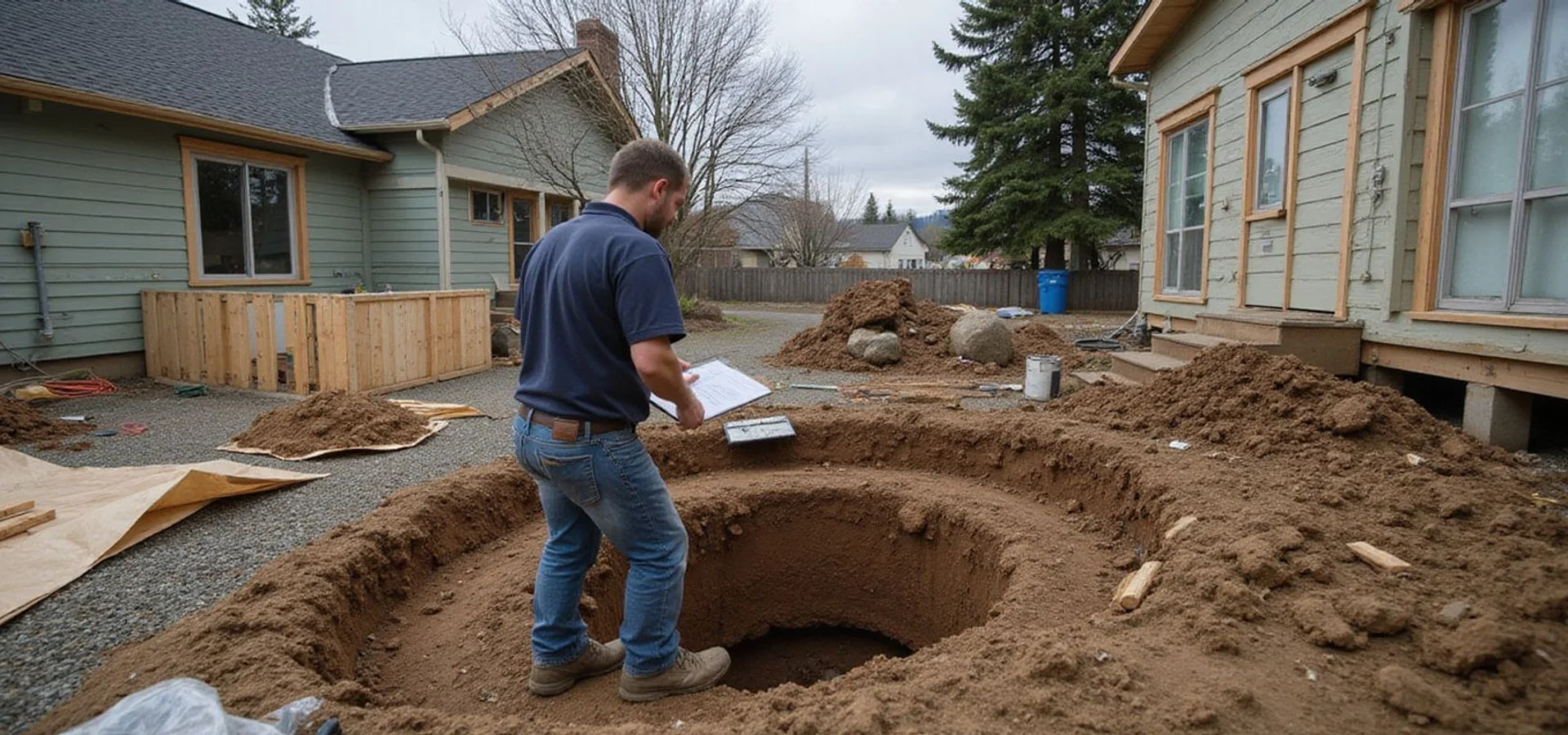
Where we do not have a real project photograph with permission, we use clearly illustrative images and label them. They are never presented as actual employees, customers, completed projects, testimonials, or before-and-after evidence.
When we do publish real before-and-after comparisons, they use consistent viewpoints and they identify the follow-up date. A photograph taken the day a job finished demonstrates that the job finished. It says nothing about ten-year performance, and presenting it as if it does is a small dishonesty that this industry commits constantly.
Review and Updating
Pages are checked against their primary sources before publication. Permit guidance is re-verified before we describe a current process, because jurisdictions revise their instructions and a plan set that was current two years ago may not be.
We update the displayed date on a page only after a meaningful review. Changing a date to manufacture freshness is a search tactic rather than an editorial practice, and it degrades the one signal readers have for whether a page has actually been looked at.
What This Costs Us, and Why We Do It Anyway
Being this careful is commercially inconvenient. Pages that hedge appropriately rank against pages that assert confidently. A cost guide explaining eight variables converts worse than one promising a single number. Declining to display a star rating puts us at a disadvantage against companies that display one they did not earn.
We accept that. Foundation work is expensive, largely invisible once complete, and difficult for a homeowner to evaluate. The only durable way to sell it is to be a source that is right, including when being right is less persuasive.
If you find something on this site that is wrong, out of date, or overstated, tell us through the contact page. We would rather be corrected than cited incorrectly, and we treat editorial errors the same way we treat any other defect.
Want to see how this works on an actual property?, Book a foundation evaluation
Related service
Foundation Evaluation
Accessible observations, relevant measurements, project discussion, limitations, and next steps.
See Evaluation
About the author
Dane Calloway
Foundation Repair Content Editor
Dane Calloway is an editorial pen name used by Seattle Foundation Repair to publish calm, technically careful guidance for Puget Sound homeowners. Technical reviewers and project contributors are credited separately.
Note: Editorial pen name of Seattle Foundation Repair. This post describes the standards themselves rather than making technical claims.
Read our editorial standards