
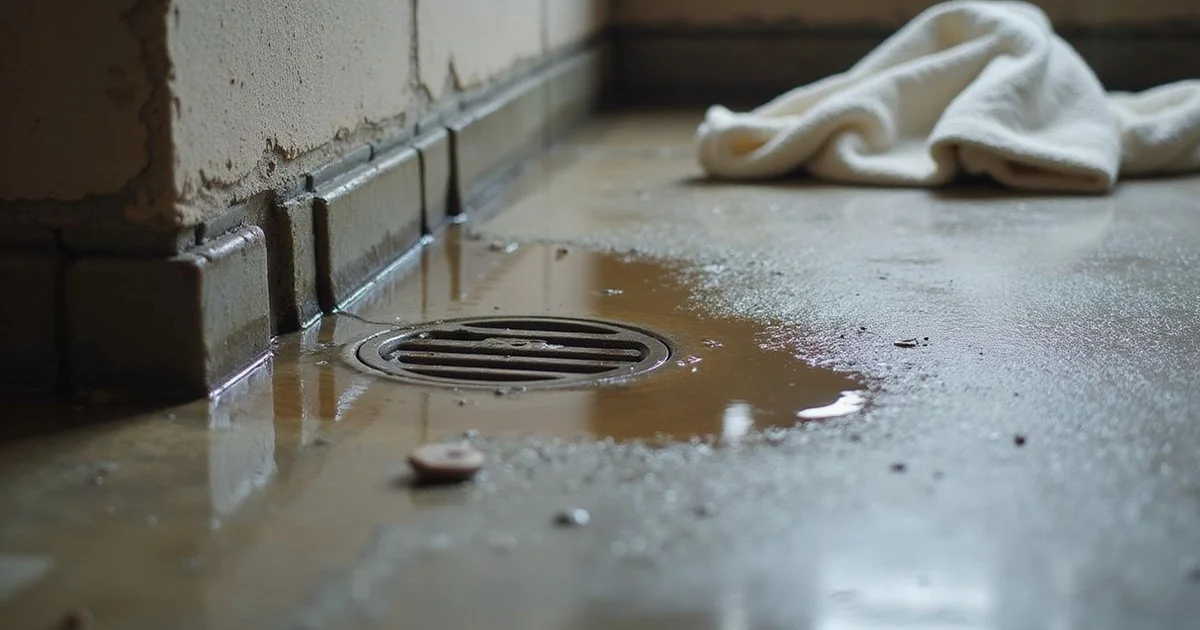
“Wet Basement” Is a Symptom
Water in a basement is one problem word covering at least five different situations, each requiring different work. Identifying which applies is most of the value of an assessment, and it is why our basement waterproofing evaluations start with pathway rather than product. It also explains the spread you see in quotes, which our guide on basement waterproofing cost in Seattle breaks down by system.
The Entry Pathways
The wall-floor cold joint. The seam where the slab meets the foundation wall, formed because they were poured at different times and never bonded. Under hydrostatic pressure, water finds it. Seepage along a long stretch of that line is the most common wet-basement pattern in Seattle.
A crack or pipe penetration. A discrete entry point, usually identifiable as a wet track running down from one fixed location.
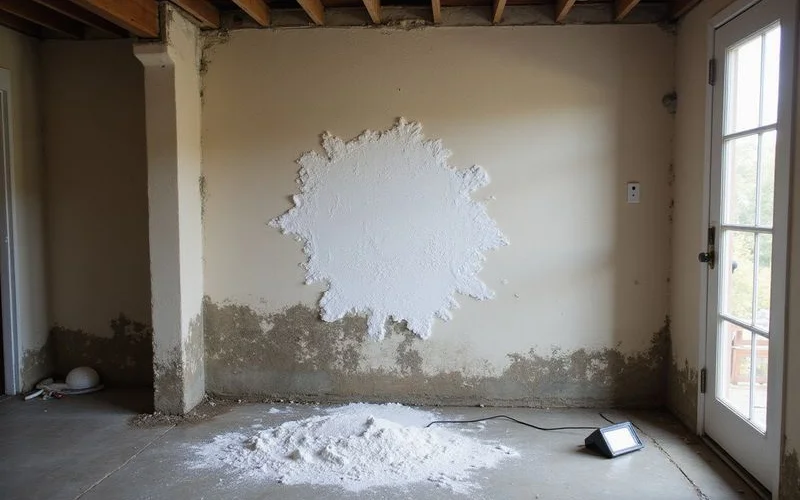
Through the wall itself. Concrete and block are porous. Where groundwater is held against a wall for weeks, moisture migrates through, usually appearing as efflorescence and damp patches rather than as running water.
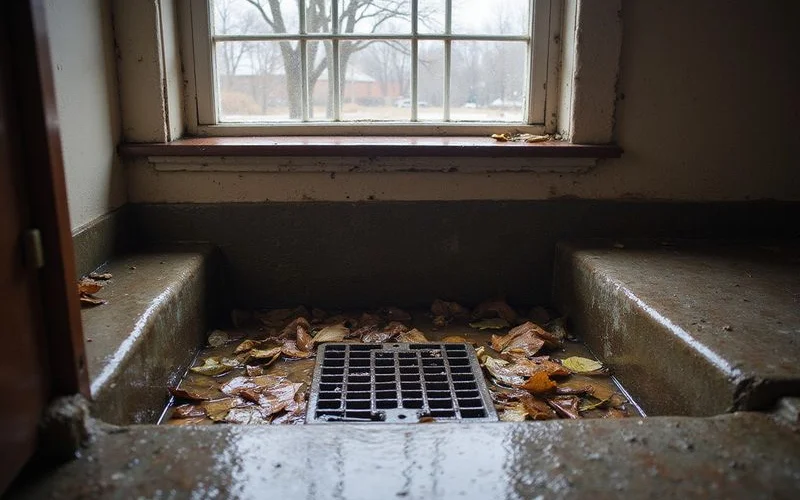
From above grade. A window well that fills with water, a failed downspout, or grading that directs surface water toward the house. Common, and frequently misdiagnosed as a groundwater problem when it is a gutter problem.
Condensation. Warm humid air meeting cool surfaces. It peaks in summer, which is the reverse of every other pattern here, and no drain will address it.
How to Tell Them Apart
Three questions that narrow it quickly
Where does it appear? At the floor-wall junction suggests the cold joint and hydrostatic pressure. High on a wall suggests above-grade entry. From one fixed point suggests a crack or penetration. Evenly across a surface suggests migration through the wall or condensation.
When does it appear? During or just after rain suggests surface water. Days into sustained rain suggests a rising water table. In warm humid weather with no rain suggests condensation.
How much? A damp patch, a trickle, or standing water tells you about the driving pressure behind it.
Efflorescence, the white powdery deposit, is useful evidence even where you never see liquid water. It shows water has moved through the concrete and deposited dissolved salts on the surface, which tells you about the pathway.
Why Seattle Basements Leak in Winter
Our climate produces a specific pattern. Rain here is not dramatic; it is persistent. Weeks of steady rainfall raise the groundwater table and saturate the soil profile around a foundation.
Saturated soil holds water against a wall and exerts hydrostatic pressure. That pressure drives water into every available path, cold joints, cracks, porous concrete. Dry soil does none of this.
The practical implication is that testing a basement in August tells you nothing. If you are buying a house in summer and the basement is dry, that is not evidence. Ask about winter, and look for staining lines, efflorescence, and evidence of past water rather than for present water.
The Cheap Things to Check First
Before anyone quotes an interior drainage system, check the things that cost almost nothing to fix.
Downspouts: where do they actually discharge? A downspout emptying at the base of a wall delivers a roof’s worth of water directly into the soil pressing against your foundation. Grading: does the ground in the first ten feet fall away from the house, or has decades of mulch and landscaping reversed it? Window wells: are they draining, or holding water against a window? Existing drains: is there a footing drain, and is its outlet actually discharging during rain?
We check all of these during an assessment, and when the answer is “reroute two downspouts,” that is what the proposal says. It is a fraction of the cost of an interior system, and where it is the actual cause, it is also the better fix.
Drainage or Waterproofing
Once the pathway is known, the category follows.
Drainage manages water before or as it reaches the foundation: footing drains, interceptor drains uphill, downspout tightlines, grading correction, and a discharge that carries water away. Appropriate when the problem is water arriving. Our footing versus interceptor drains guide covers the options.
Waterproofing collects and manages water at the point of entry: interior perimeter drainage, dimpled drainage board, crack treatment, and a sump where gravity discharge is unavailable. Appropriate when water is being driven in under pressure.
Frequently both apply. What should not happen is a system being selected before the pathway is understood.
What to Do Now
Record the pattern with dates. Check the downspouts and grading yourself. Photograph where water appears and how far it spreads.
Then, if the pattern points at something structural or persistent, get an assessment that identifies the pathway before recommending a system. And be wary of any contractor who offers a solution before asking where and when the water appears, the answer determines the work, and skipping the question means guessing.