
What a Critical-Area Designation Actually Is
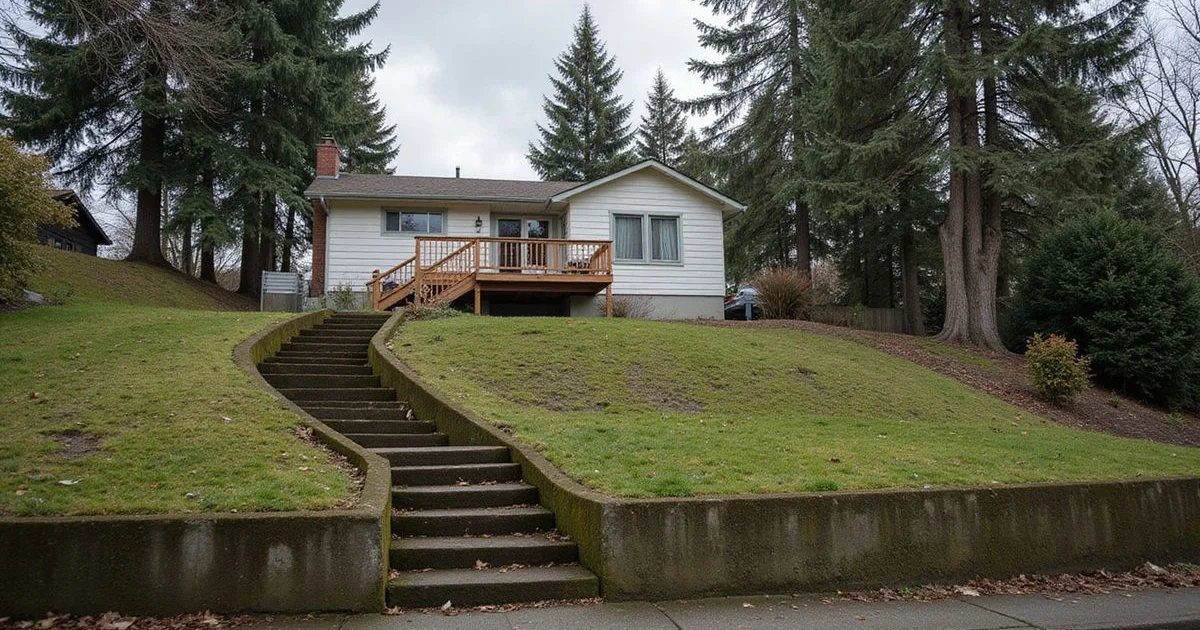
Seattle maps certain land as environmentally critical, steep slopes, landslide-prone areas, wetlands, riparian corridors, and others, and applies additional regulatory review to work proposed within those areas.
The purpose is regulatory rather than predictive. The overlay exists to make sure projects in sensitive areas are reviewed with appropriate care and documented appropriately. It is not a statement that a specific building is at risk, and thousands of houses inside these overlays have stood for a century without incident.
Understanding this distinction matters because the two get conflated constantly. A homeowner discovers their parcel is mapped, reads it as a verdict on their house, and arrives at a conversation frightened about the wrong thing. Seattle Foundation Repair checks parcel status before quoting precisely so this can be explained calmly rather than discovered mid-project.
Why It Matters to a Foundation Project
The practical effect is on the permit path, and it shows up in three places.
Timeline. Critical-area review takes longer than a standard permit path. How much longer depends on the project and the department’s current workload, but it is measured in weeks.
Documentation. Additional submittal material may be required, potentially including a geotechnical report prepared by a licensed engineer. That is a real cost and it belongs in a proposal as its own line rather than appearing as a surprise.
Scope. Some approaches that would be straightforward elsewhere carry additional considerations within a critical area, particularly where excavation, drainage discharge, or vegetation removal is involved.
None of that makes a project impossible. It makes the schedule and the budget different from a project on an unmapped parcel, and that difference should be visible in the proposal you sign.
How Homeowners Usually Find Out

Most people encounter it in one of three ways: while buying a property and reading disclosures, while planning work and looking up their parcel, or when a contractor mentions it during a quote.
The third route is where problems arise, because it sometimes happens after a deposit rather than before. A proposal issued without checking parcel status is a proposal whose schedule is unreliable.
It is reasonable to ask any contractor quoting foundation work whether they have checked the parcel, and what they found. The answer tells you something about how they work.
Designation Is Not a Risk Score
This is the single most important point in this guide.
A mapped designation reflects the presence of conditions the city has decided warrant additional review at the scale the mapping was produced. It does not quantify risk for an individual address, and it does not forecast what a particular building will do.
Equally, a parcel outside a mapped area is not thereby proven safe. Mapping reflects what was surveyed, at the resolution it was surveyed, at the time it was produced.
We will not publish address-level or neighbourhood-level risk scores, and we would treat any contractor who offers you one with suspicion. Our guide on reading landslide and liquefaction maps explains the limits of hazard mapping generally.
City Versus Everywhere Else
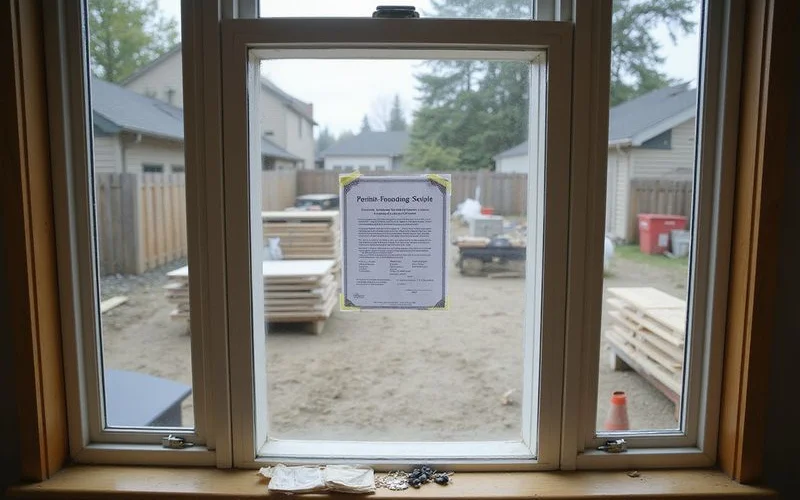
Seattle’s framework is Seattle’s. Outside the city limits, entirely different rules apply.
| Where the property is | Who reviews it |
|---|---|
| City of Seattle | SDCI, including critical-area review where mapped |
| Bellevue | City of Bellevue Development Services |
| Kirkland, Redmond, Issaquah, Sammamish, Mercer Island | Each city’s own department |
| Shoreline, Burien, Tukwila, Kent, Federal Way, Renton | Each city, with King County at some edges |
| Edmonds, Lynnwood, Bothell, Everett | City departments and Snohomish County |
| Tacoma | City of Tacoma and Pierce County |
Each has its own thresholds, terminology, and submittal expectations. Confirming which applies to a specific parcel is part of scoping a project, not an afterthought.
What Good Practice Looks Like
A contractor working on a potentially mapped parcel should do several things before you commit.
Check the parcel status rather than assuming. State the applicable reviewing authority in the proposal. Include the likely review path in the schedule rather than quoting an optimistic start date. Price any required geotechnical or engineering documentation as its own line. And explain plainly that the designation is a regulatory overlay rather than a prediction about the building.
A reasonable question to ask any contractor
“Have you checked whether this parcel is in a critical area, and if so, what does that do to the schedule and the documentation you will need?”
A contractor who has checked will answer directly. One who has not will either say so, which is fine, if they then go and check, or will change the subject, which tells you something else.
If You Are Buying
A critical-area designation is information, not a reason to walk away. What it means practically is that future work on the property will carry a longer and more documented permit path, and that any existing unpermitted work in the critical area is a more significant issue than it would be elsewhere.
Ask what permits exist for work already done. Ask whether any geotechnical documentation exists for the parcel, because if it does, it saves money later. And have the structure evaluated on its own merits rather than reading the overlay as an answer about the building.
The broader permitting picture for foundation and retrofit work is covered in foundation and retrofit permits in Seattle.